

Oil & Gas / Compliance
Keep the permit connected to the field.
A drilling permit answers one part of the project. Land rights, air authorization, water management and operating conditions have their own boundaries and evidence. Build the approval plan around the actual wells, equipment and activities.
Explore the requirements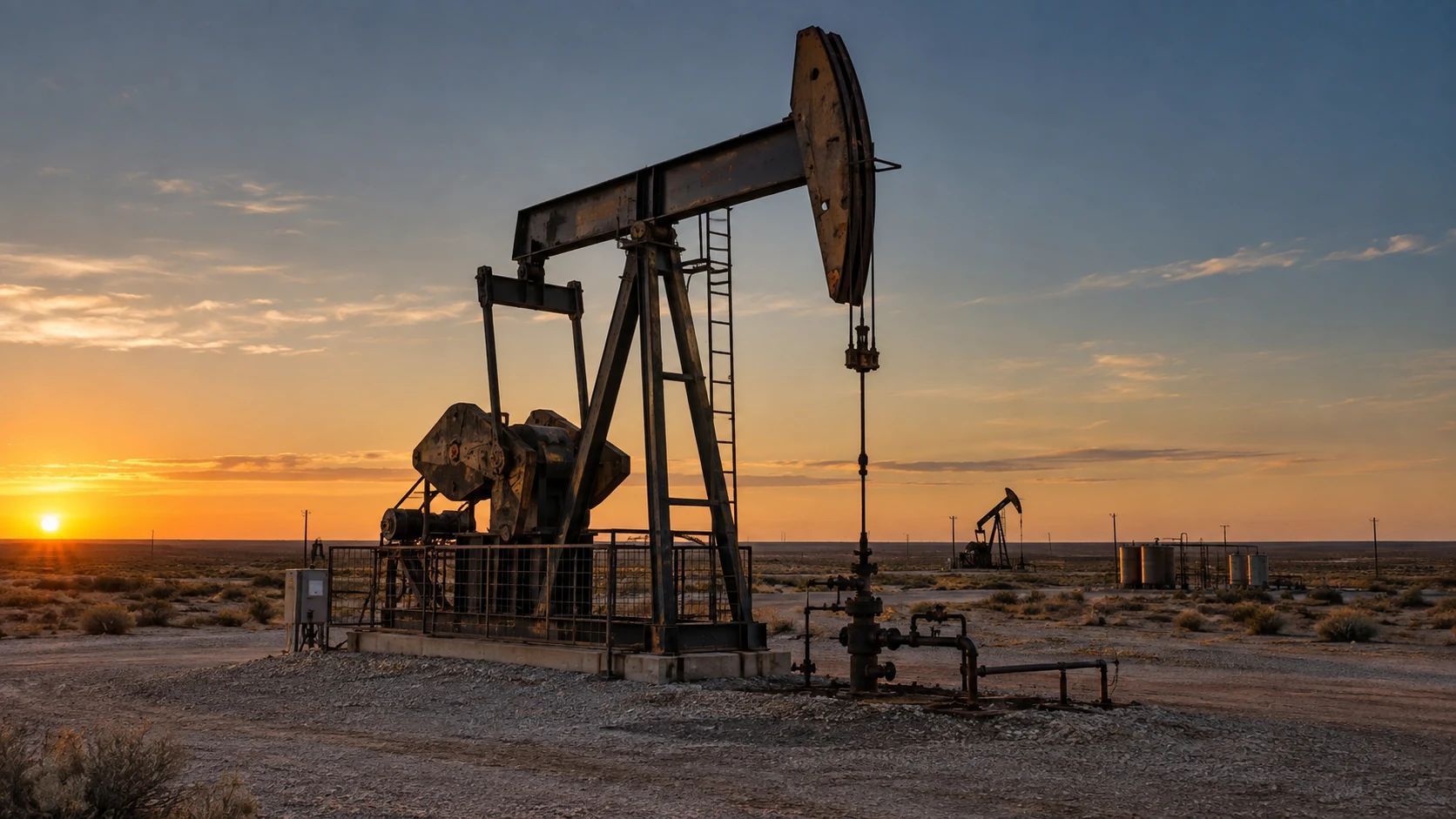
The field guides
Start with the next decision.
Detailed explanations, working checklists and links to the authorities behind each requirement.
Oil and gas permitting: a U.S. onshore compliance checklist
Map federal minerals, state drilling, air, water, and pipeline requirements into a practical permitting sequence for U.S. onshore oil and gas projects.
Read the article
Methane compliance for U.S. oil and gas: build the evidence behind the filing
A practical methane compliance workflow for U.S. operators: rule applicability, state obligations, leak repair evidence, monitoring methods, and reporting controls.
Read the articleThe compliance map
Follow the whole project.
U.S. onshore upstream projects. Offshore development, refineries, interstate pipelines and LNG facilities have additional approval paths that need a separate assessment.
Land, minerals and drilling
Who controls the surface and minerals, and who authorizes the proposed work?
Evidence to assembleSurface and mineral ownership, lease terms, access agreements, federal or state drilling applications, survey information and conditions of approval.
Authority and scopeBLM for applicable federal minerals, state oil-and-gas agencies and other relevant land authorities.
Air authorization and equipment changes
Does the permit basis still match the equipment operating on site?
Evidence to assembleWell and equipment inventory, emissions calculations, applicable source standards, construction authorizations, operating limits and modification reviews.
Authority and scopeState air agency and applicable EPA programs. State authorization and federal source standards are separate checks.
Methane and leak records
Which rules govern each source, and what proves the required work happened?
Evidence to assembleSource applicability register, survey coverage, instrument records, component IDs, repair evidence, verification, justified delays and reporting versions.
Authority and scopeApplicable federal and state programs. Keep final requirements distinct from proposals and facility-specific permit conditions.
Water, waste and spill prevention
How are withdrawals, runoff, produced water, disposal and oil storage authorized?
Evidence to assembleWater and waste flow map, disposal arrangements, injection-permit applicability, stormwater determinations, oil-storage inventory and spill response responsibilities.
Authority and scopeState agencies, EPA and other applicable permitting authorities. An exemption under one program does not settle the others.
Keep the record useful
A requirement needs
an owner and evidence.
For each obligation, record the authority, the design assumption, the responsible person, the evidence and the next decision. Review that record when the site layout, equipment, operating mode or jurisdiction changes.
A dated document is useful. A dated document tied to the equipment and conditions it covers is useful when the project changes.
Talk to an expert