

Data Centers / Compliance
Every approval behind the infrastructure.
A site can have available land and still have no workable path to power, water, or permission to operate. Start with the decisions that can change the design. Keep their evidence connected as the project moves from site selection into service.
Explore the requirements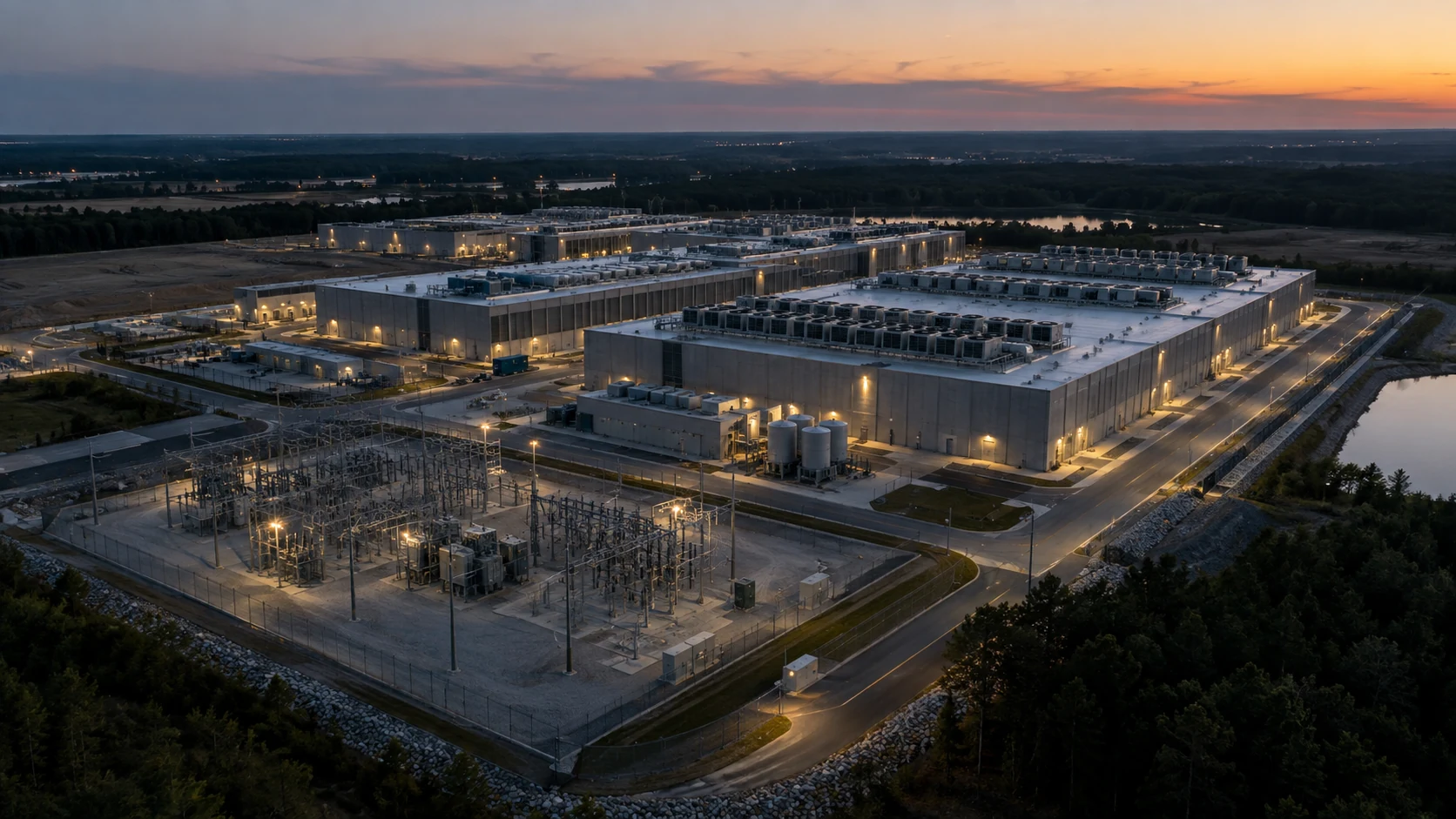
A working document
Start your compliance register.
Ten workstreams, with fields for the exact permit condition, equipment, owner, deadline and supporting record. Use it to turn an applicability decision into work someone owns.
A starting template for U.S. facilities. Complete the jurisdiction and applicability review for your site before using it as a compliance calendar.
Download the register CSV · 10 workstreams · No signupThe field guides
Start with the next decision.
Detailed explanations, working checklists and links to the authorities behind each requirement.
Data center site selection: the US permitting work to do before committing
A US due diligence guide to data center siting, zoning, utility service, environmental permits, and the evidence to collect before committing to a site.
Read the article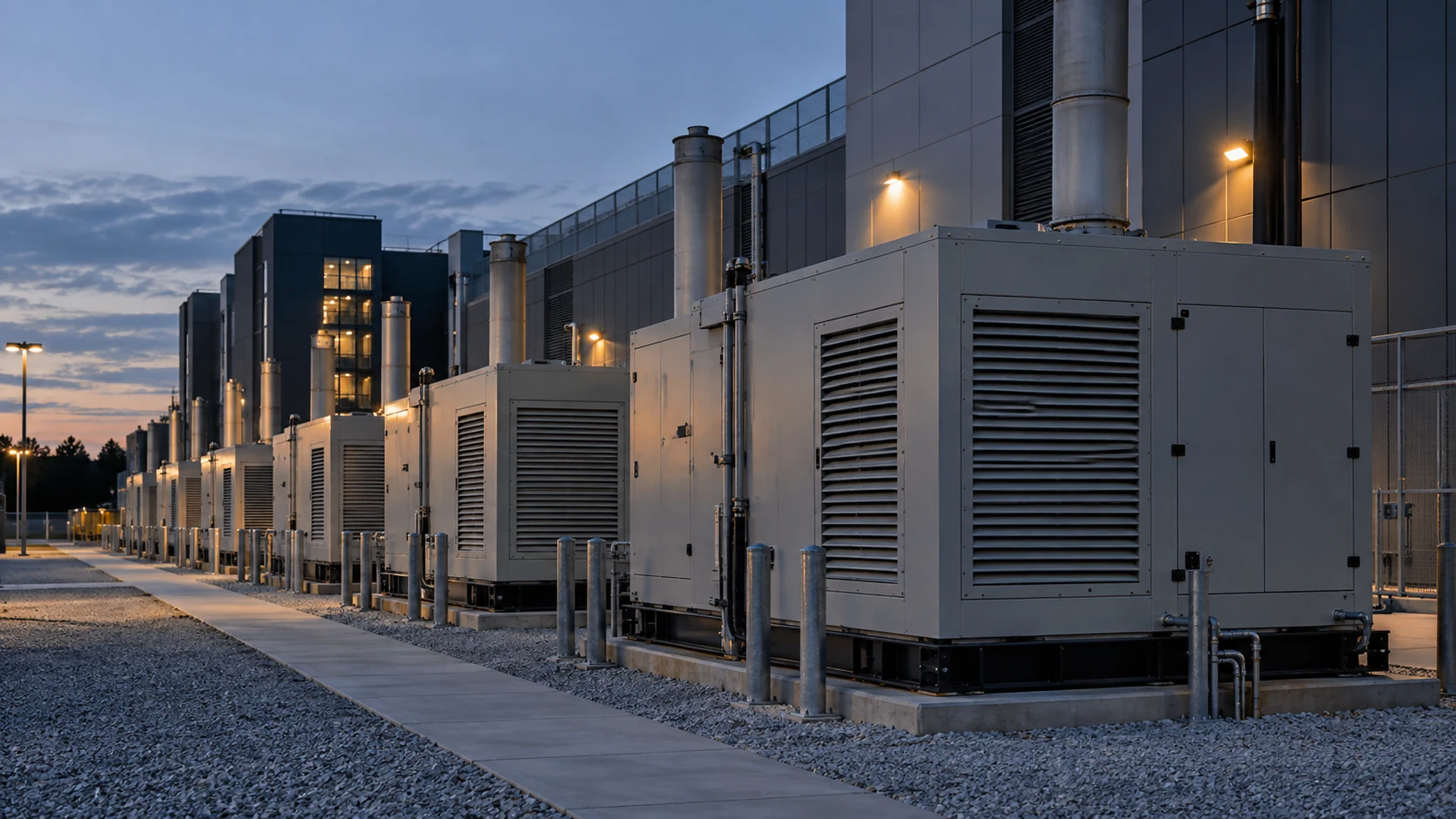
Data center backup generators: how to plan the air-permit path
A practical US guide to generator-fleet air permitting, emergency-use restrictions, federal engine standards, source aggregation, and operating records.
Read the article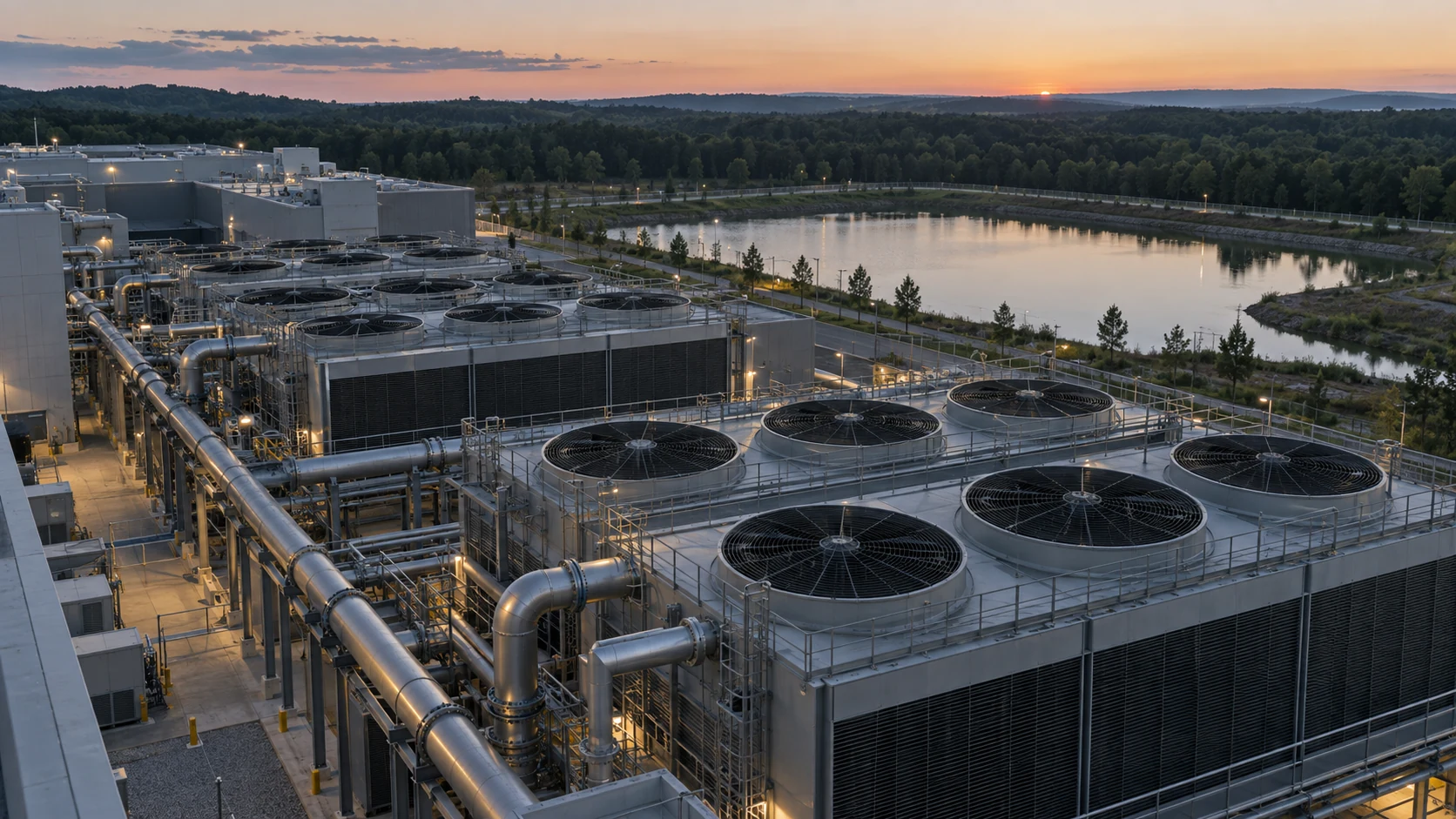
Data center water and stormwater permits: resolve each flow before construction
A US guide to data center water supply, wastewater discharge, construction and industrial stormwater, oil storage, and wetlands permitting dependencies.
Read the article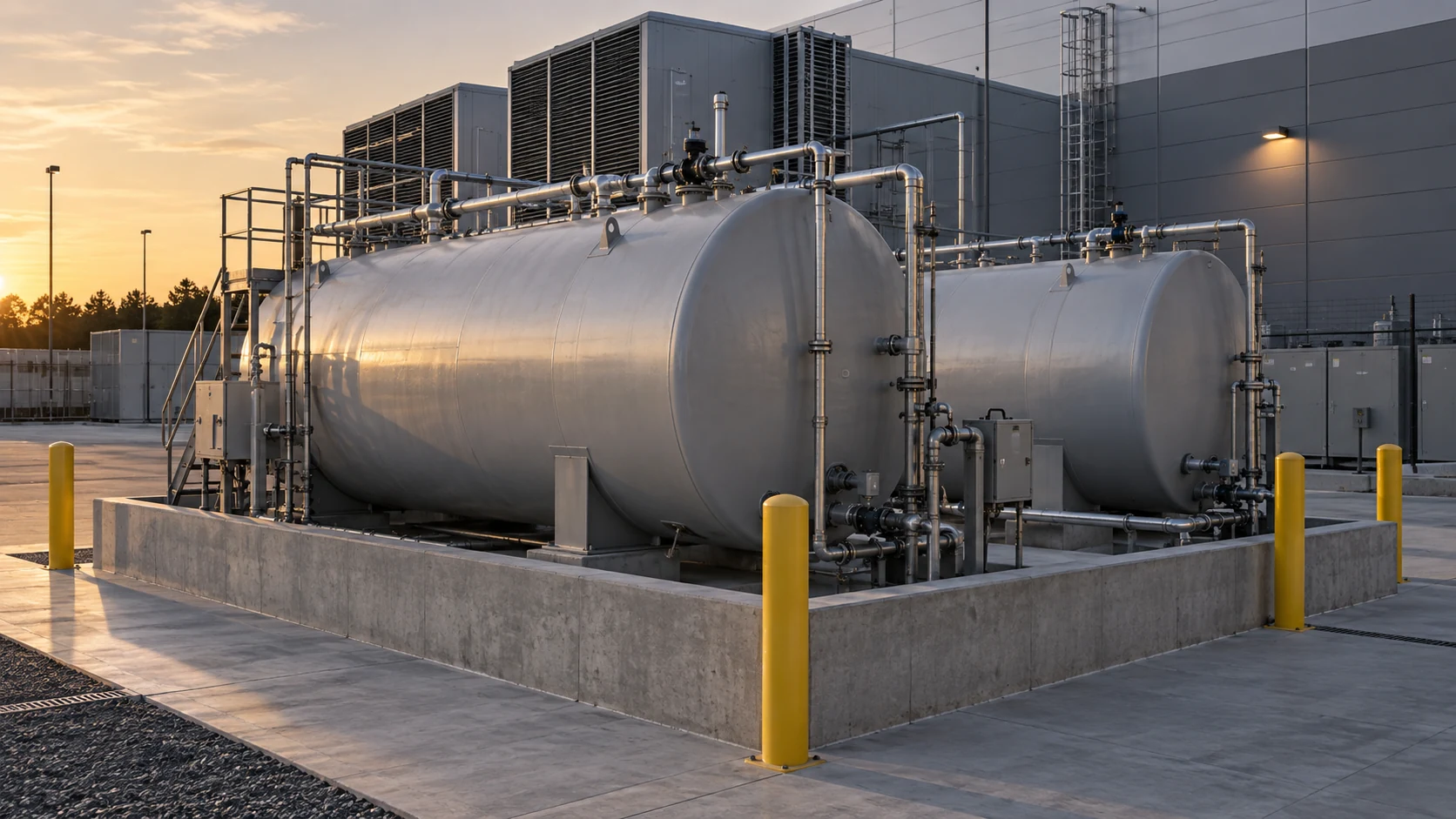
Data center fuel and chemical storage: SPCC and Tier II reporting
How US data center operators assess diesel and transformer oil under SPCC and prepare EPCRA Tier II inventories for batteries, fuel, and cooling chemicals.
Read the article
Data center refrigerant compliance: Section 608 and AIM Act operating duties
A US guide to data center cooling compliance under Section 608 and the AIM Act, with appliance-level applicability, leak response, automatic detection, and records.
Read the article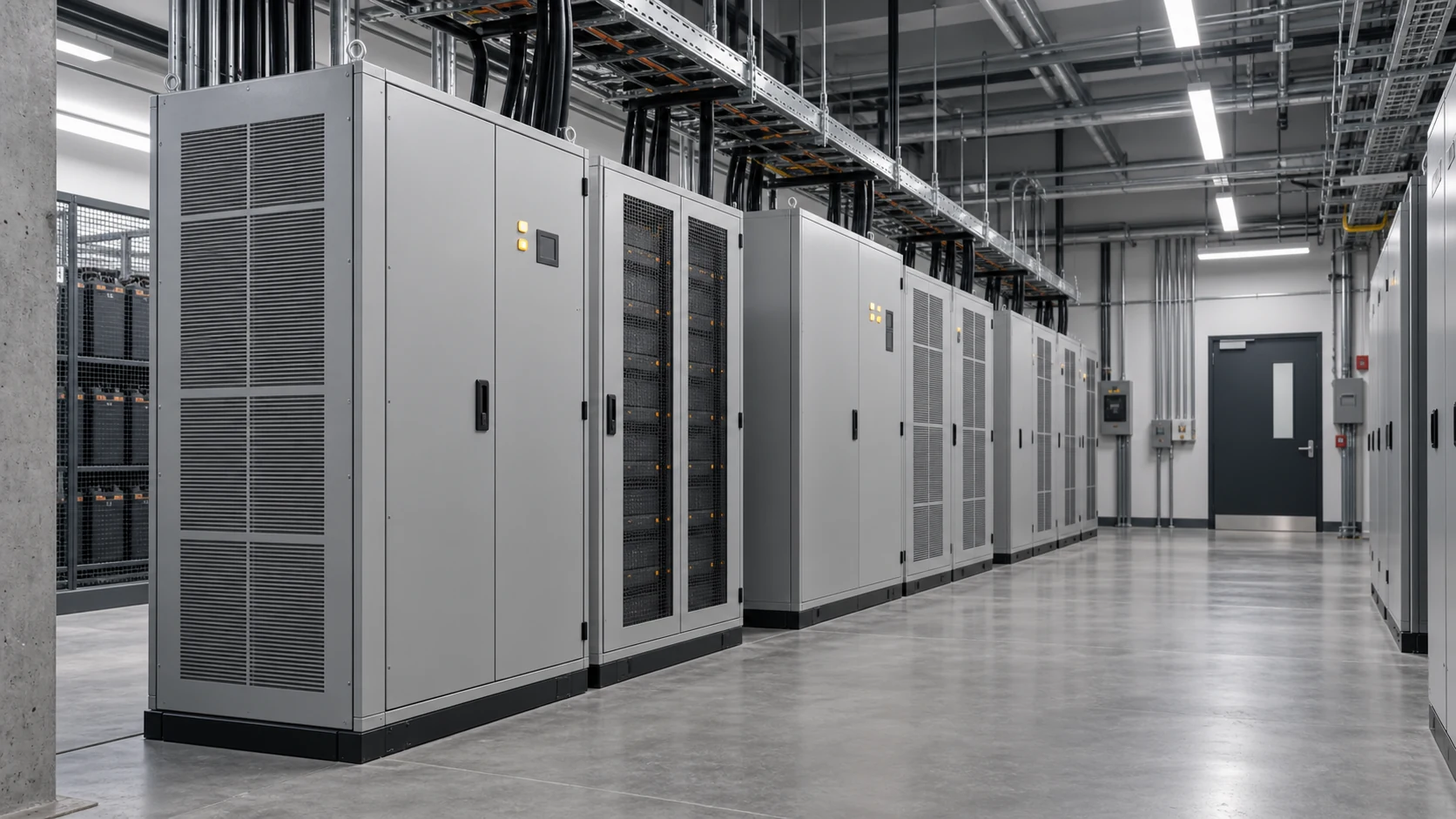
Data center UPS and battery permits: settle the fire-code path before procurement
A US guide to data center UPS and battery approvals: NFPA 75 versus NFPA 855, UL 9540 versus UL 9540A, local permits, retrofit reviews, and acceptance evidence.
Read the articleThe compliance map
Follow the whole project.
U.S. facility development and operations. Requirements depend on the parcel, jurisdiction, equipment, discharges, and services provided. This map separates project permits from customer assurance obligations.
Siting, zoning and noise
Is the proposed use allowed on this parcel, and under what conditions?
Evidence to assembleCurrent zoning designation, permitted-use determination, special-exception or rezoning path, setbacks, acoustic study, site conditions and public-hearing milestones.
Authority and scopeLocal planning authority. Loudoun is one example of a market with evolving data-center-specific rules.
Power and utility service
What written commitments support the energization date?
Evidence to assemblePhased load forecast, service request, studies, upgrade responsibilities, cost allocation, service agreement and dependencies for the substation or generation proposal.
Authority and scopeServing utility, relevant grid operator and regulators. A land-use approval does not establish an electricity delivery date.
Generators and air emissions
Can the complete equipment fleet be constructed and used as planned?
Evidence to assembleEngine inventory, fuel and operating modes, emissions calculations, source aggregation analysis, applicable engine standards, preconstruction permits and operating records.
Authority and scopeState or local air agency and applicable Clean Air Act programs.
Water supply and cooling discharge
Where does cooling water come from, and where does it go?
Evidence to assemblePeak and annual water balance, supplier capacity, withdrawal applicability, discharge characterization, sewer acceptance or direct-discharge authorization, and drought constraints.
Authority and scopeWater supplier, sewer authority and state water regulators, with EPA where it is the permitting authority.
Stormwater, wetlands and earthwork
Which authorizations must be in place before disturbing the site?
Evidence to assembleDisturbed acreage and common plan of development, erosion-control design, construction stormwater coverage, wetland delineation and applicable water-quality approvals.
Authority and scopeState and local stormwater programs; EPA and the Army Corps where applicable.
Fuel, batteries and chemical inventories
What storage, spill prevention and emergency reporting duties does the design trigger?
Evidence to assembleTank and transformer-oil inventory, battery chemistry, safety data sheets, applicable threshold assessments, containment details, response plans and reporting owners.
Authority and scopeEPA, state programs, emergency planning bodies and the local fire authority. Assess each program separately.
Building, electrical and fire approval
Which adopted codes and acceptance tests govern occupancy and operation?
Evidence to assembleWritten code basis, equipment listings, electrical and fire plans, battery and fuel arrangements, inspection records, acceptance tests and occupancy conditions.
Authority and scopeBuilding and fire officials. NFPA 75 is a reference for information technology equipment; the adopted code and project conditions determine enforceability.
Refrigerants and maintenance
What duties follow the refrigerant, charge size and type of appliance?
Evidence to assembleEquipment and refrigerant register, service records, technician qualifications, applicable leak calculations, repair records and required reports.
Authority and scopeEPA Section 608 and applicable AIM Act HFC management rules. Do not treat all cooling equipment as one regulatory category.
Worker safety and commissioning
Can teams operate and service the energized facility safely?
Evidence to assembleTask-based safety procedures, hazardous-energy control, electrical training, contractor coordination, commissioning records and emergency response arrangements.
Authority and scopeOSHA or the applicable state occupational-safety program. Determine the standards relevant to each task.
Security, customer assurance and data duties
What obligations follow the services and customers the facility supports?
Evidence to assembleDefined service boundaries, customer commitments, shared-responsibility terms, control ownership and the evidence required for the chosen assurance program.
Authority and scopeSeparate applicable law and contracts from voluntary frameworks. A SOC 2 report concerns controls at a service organization; it does not replace environmental or construction permits.
Keep the record useful
A requirement needs
an owner and evidence.
For each obligation, record the authority, the design assumption, the responsible person, the evidence and the next decision. Review that record when the site layout, equipment, operating mode or jurisdiction changes.
A dated document is useful. A dated document tied to the equipment and conditions it covers is useful when the project changes.
Talk to an expert