

Data centres / India
Every approval behind a data centre in India.
A data centre in India answers to a central ministry, a state pollution control board, a discom or transmission utility, a fire service and often an airport authority, each with its own threshold. Start with the approvals that can move the design or the energisation date. Keep the evidence for each one tied to the equipment and the site it covers.
Explore the requirements
The field guides
Start with the next decision.
Detailed explanations, working checklists and links to the authorities behind each requirement.
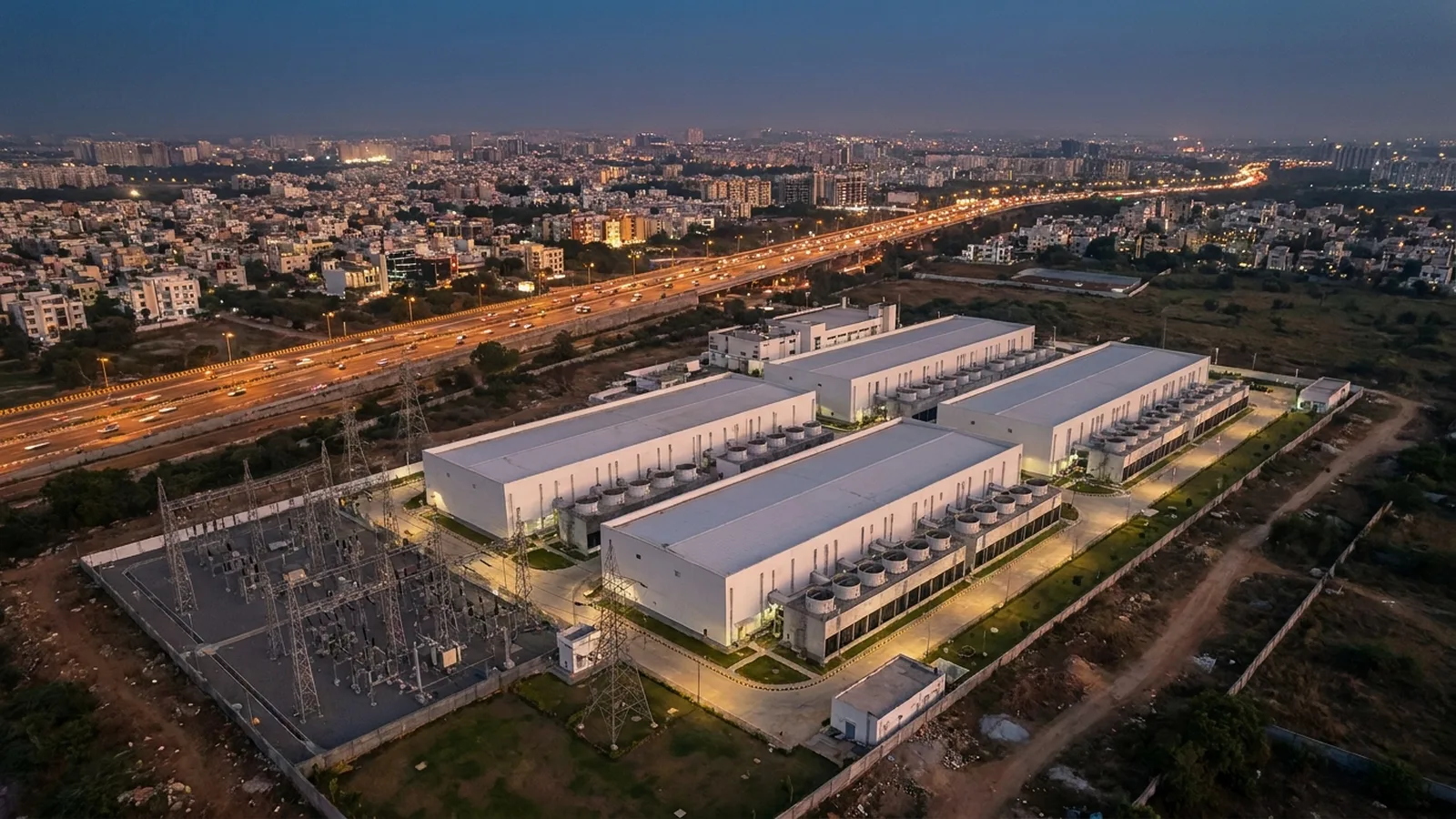
Data centres in India: capacity, cities, companies, policy and power (2026)
India had about 1.6 to 1.8 GW of live data centre capacity in mid-2026, half of it in Mumbai. Data centre counts by city, the operators, policy and power supply.
Read the article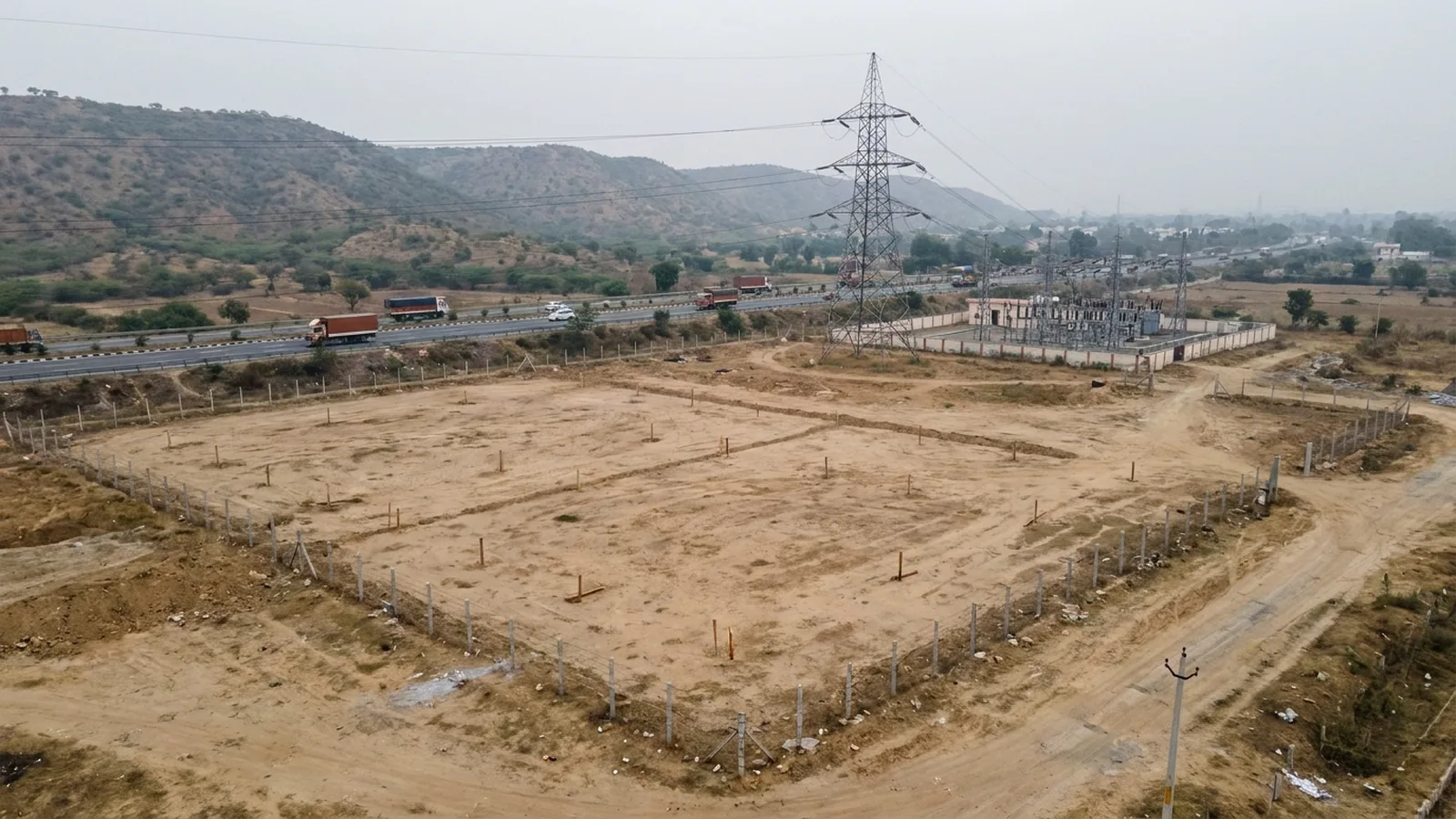
How to find a data centre site in India: power, fibre, land and risk (2026)
Finding a data centre site in India starts with written power evidence. Compare Mumbai (890 MW, 7.9% vacancy in H1 2026), Chennai, Hyderabad and others on risk.
Read the article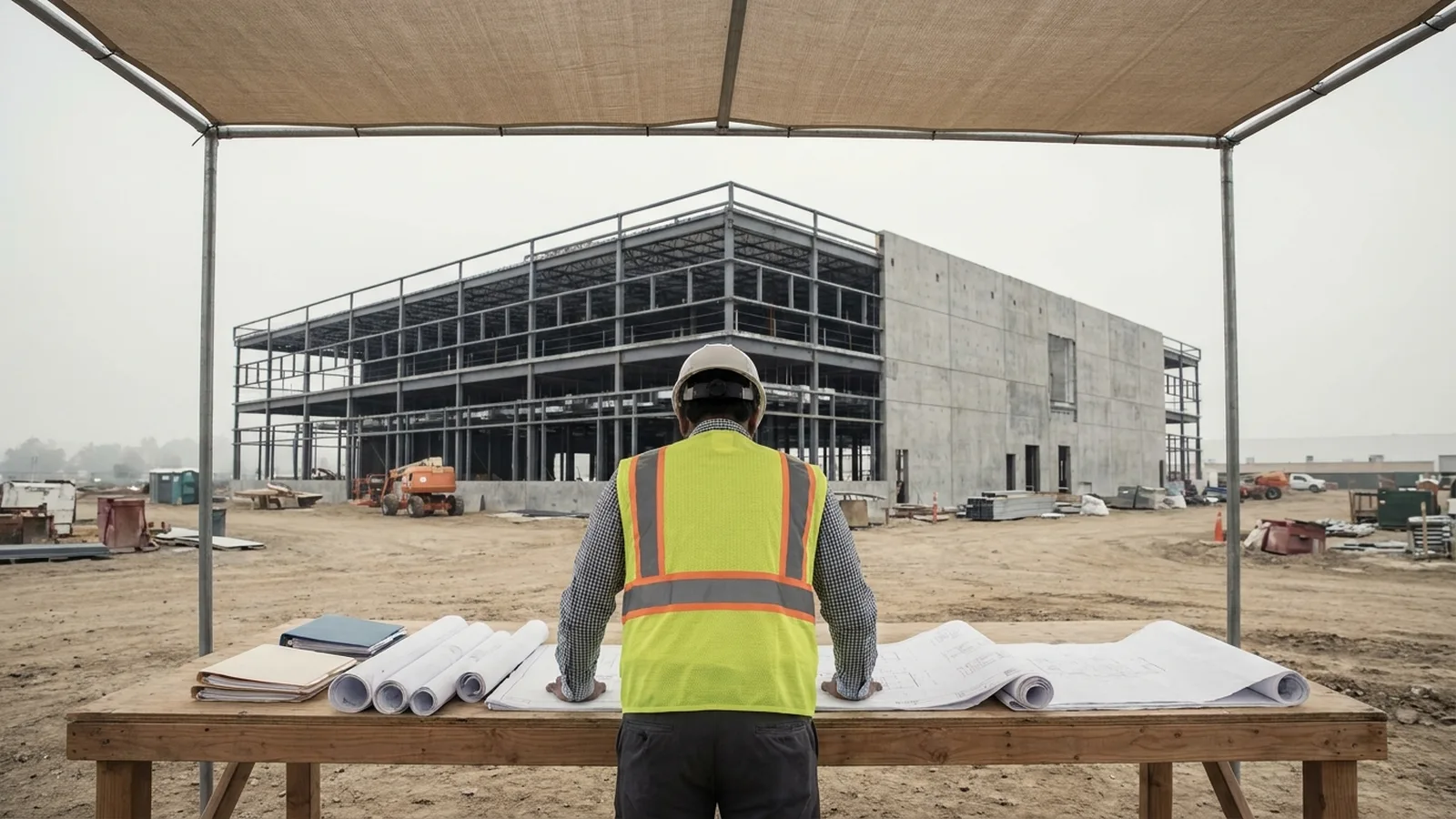
Approvals needed for a data centre in India: permits, NOCs and who issues them
Approvals for a data centre in India: no single licence, but EC at 20,000 sq m or more, CTE and CTO, groundwater, airport height and fire NOCs, diesel licence.
Read the article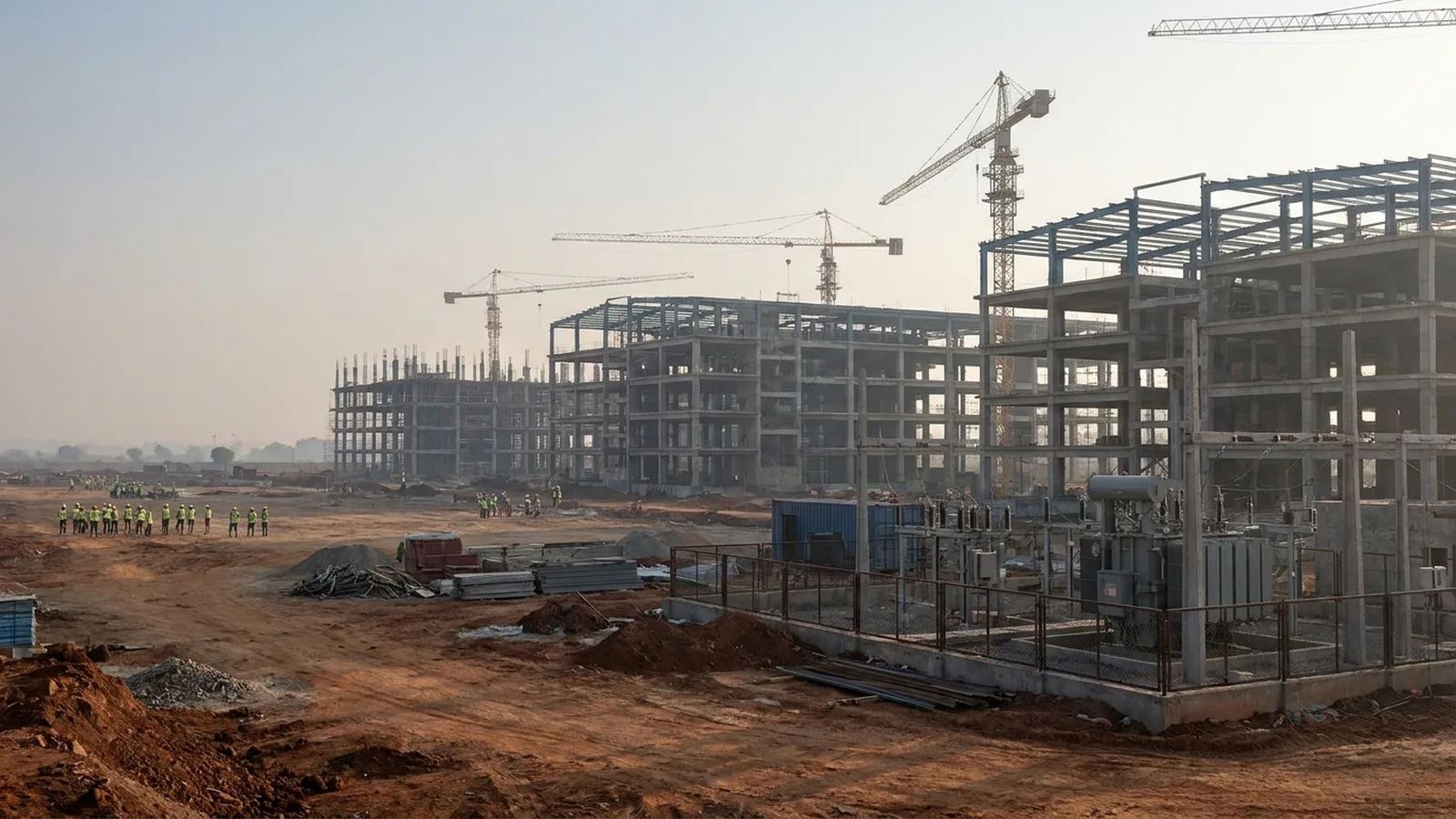
How to set up a data centre in India: from entity to energisation (2026)
How to set up a data centre in India in nine steps: size the load, form the entity, pick a state, confirm power before land, get approvals, inspect and energise.
Read the article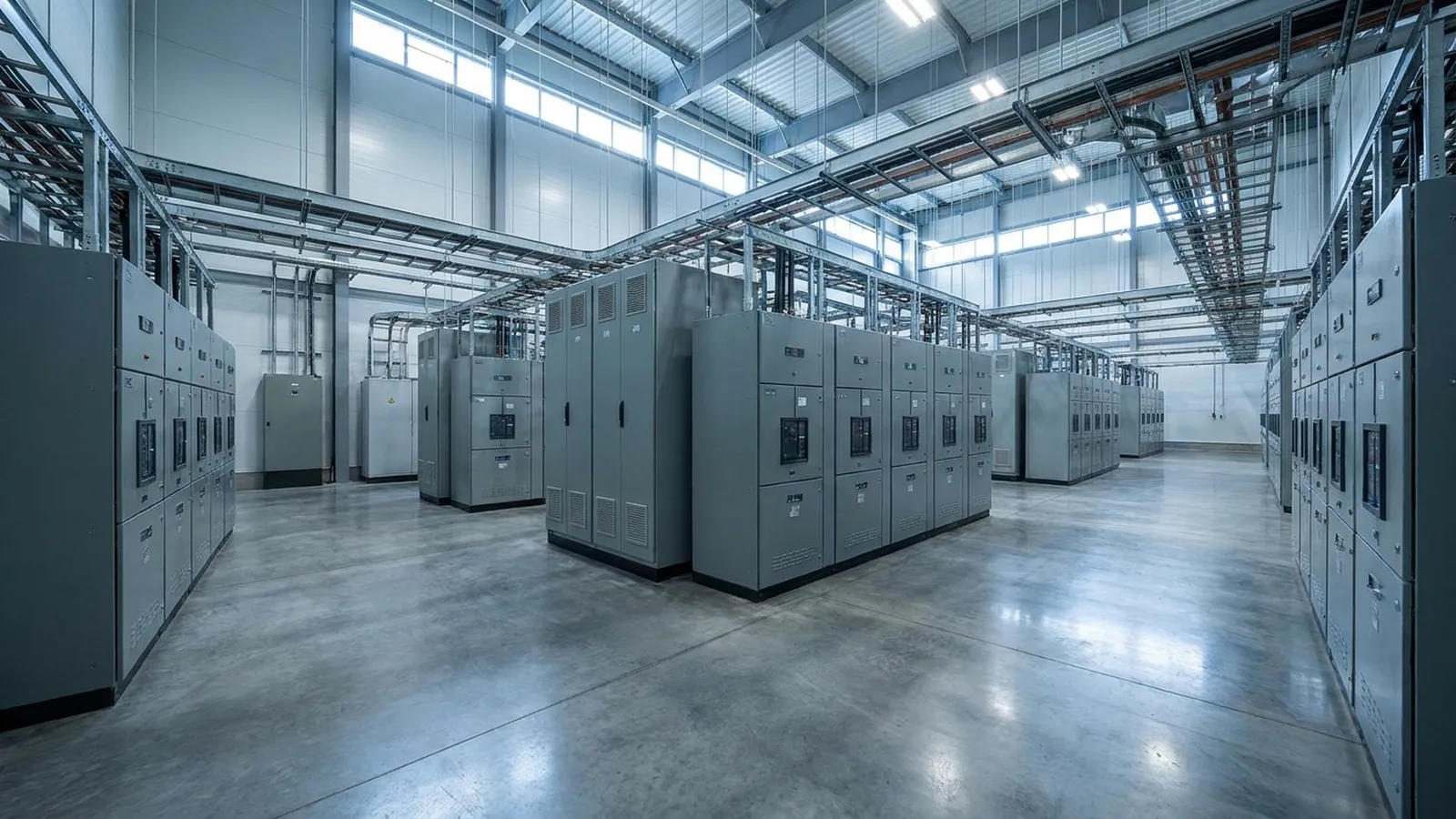
Data centre cost per MW in India: ₹35 to 75 crore to build, plus land (2026)
Data centre cost per MW in India: ₹35 to 75 crore to build on SBI’s April 2026 figures, US$7.4 million on Cushman & Wakefield’s. Land, rents and financing.
Read the article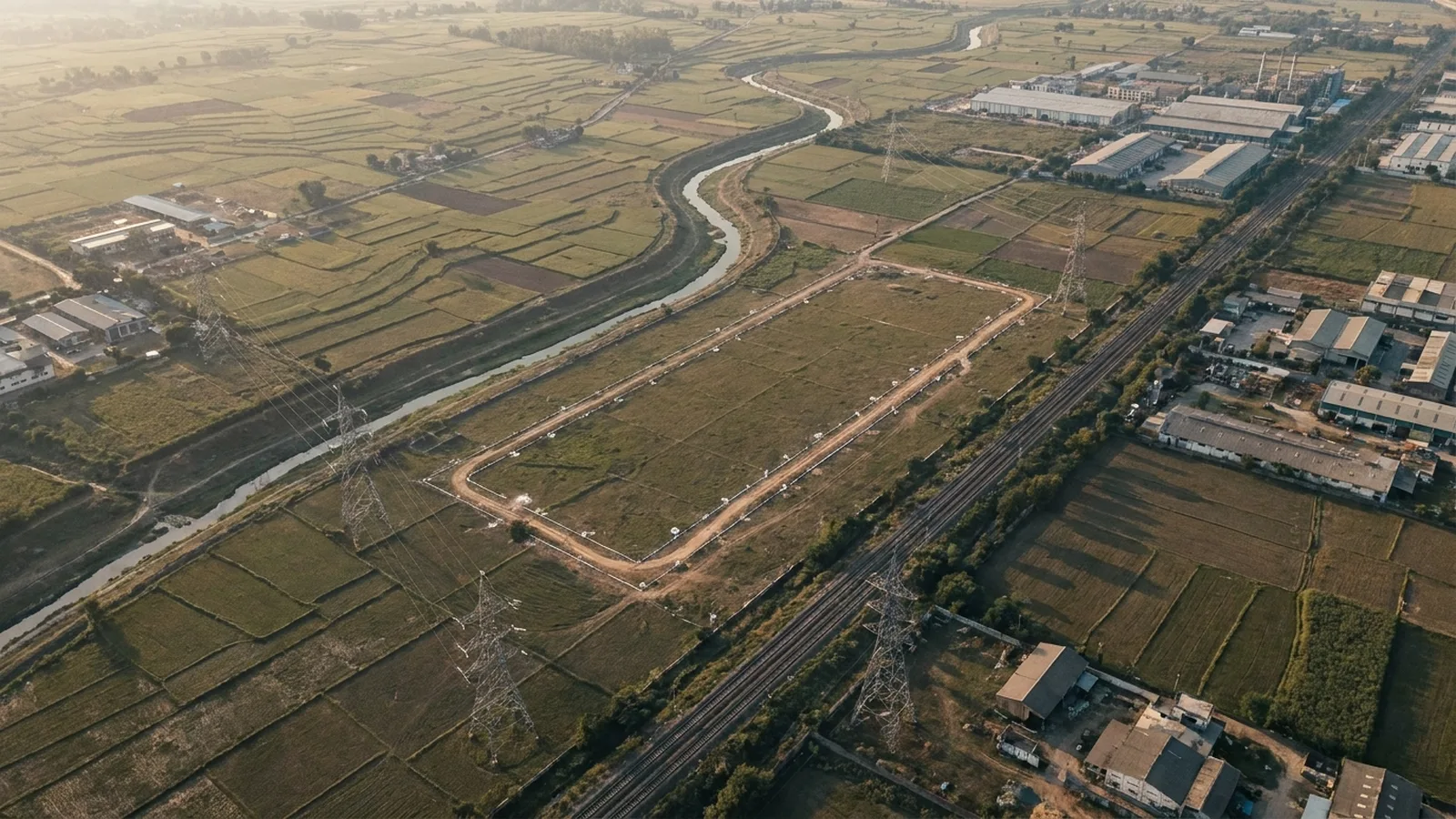
Data centre site due diligence in India: the feasibility checklist (2026)
Data centre site due diligence in India: power evidence, title, groundwater (730 of 6,762 units over-exploited), seismic zone, flood history and AAI height limits.
Read the article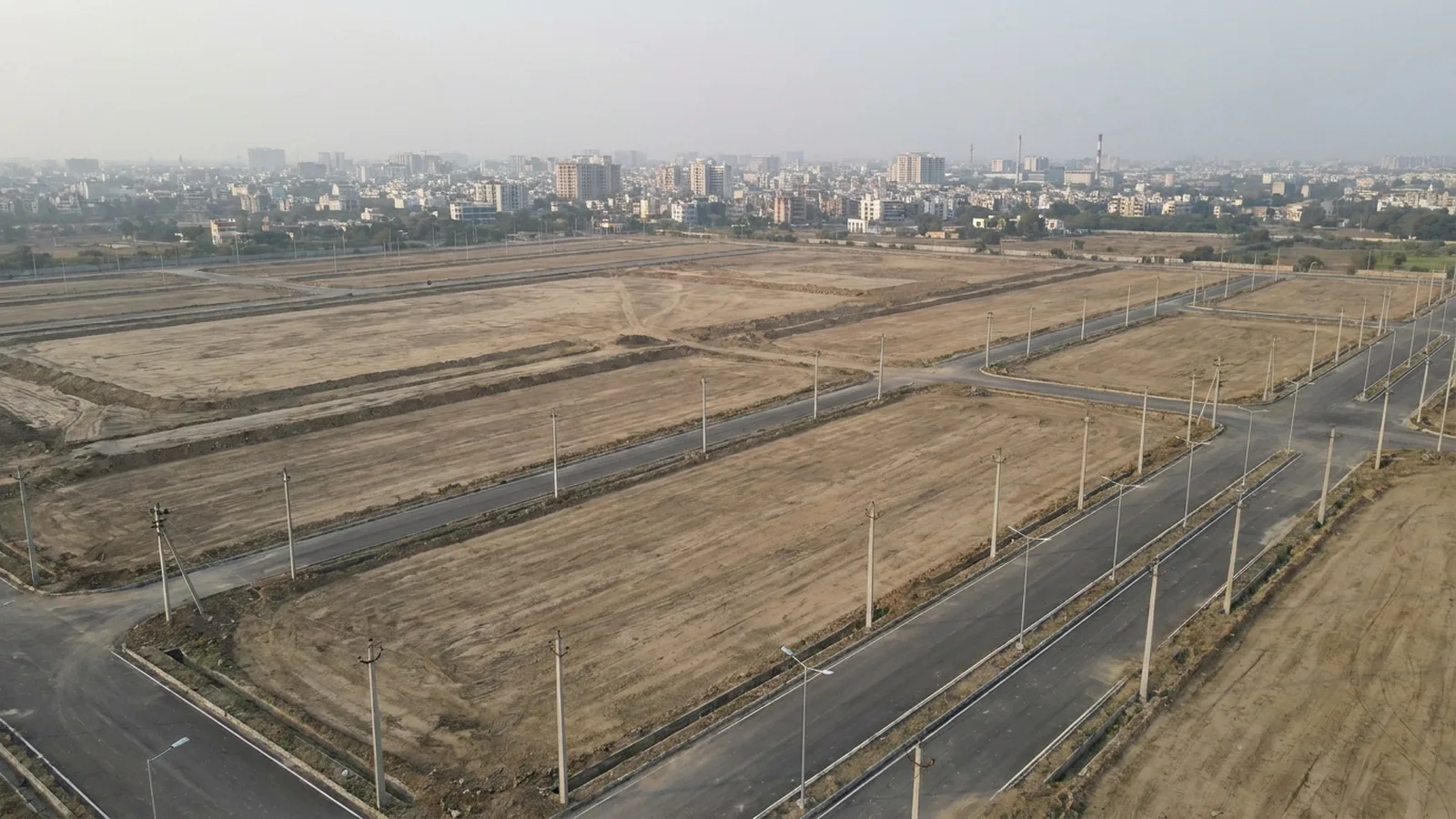
Data centre land in India: acres per MW, land prices and powered land (2026)
Data centre land in India costs ₹3 to 60 crore per acre and about half an acre per MW on Anarock’s 2026 bands. Recent deals, parks, FAR rules and powered land.
Read the article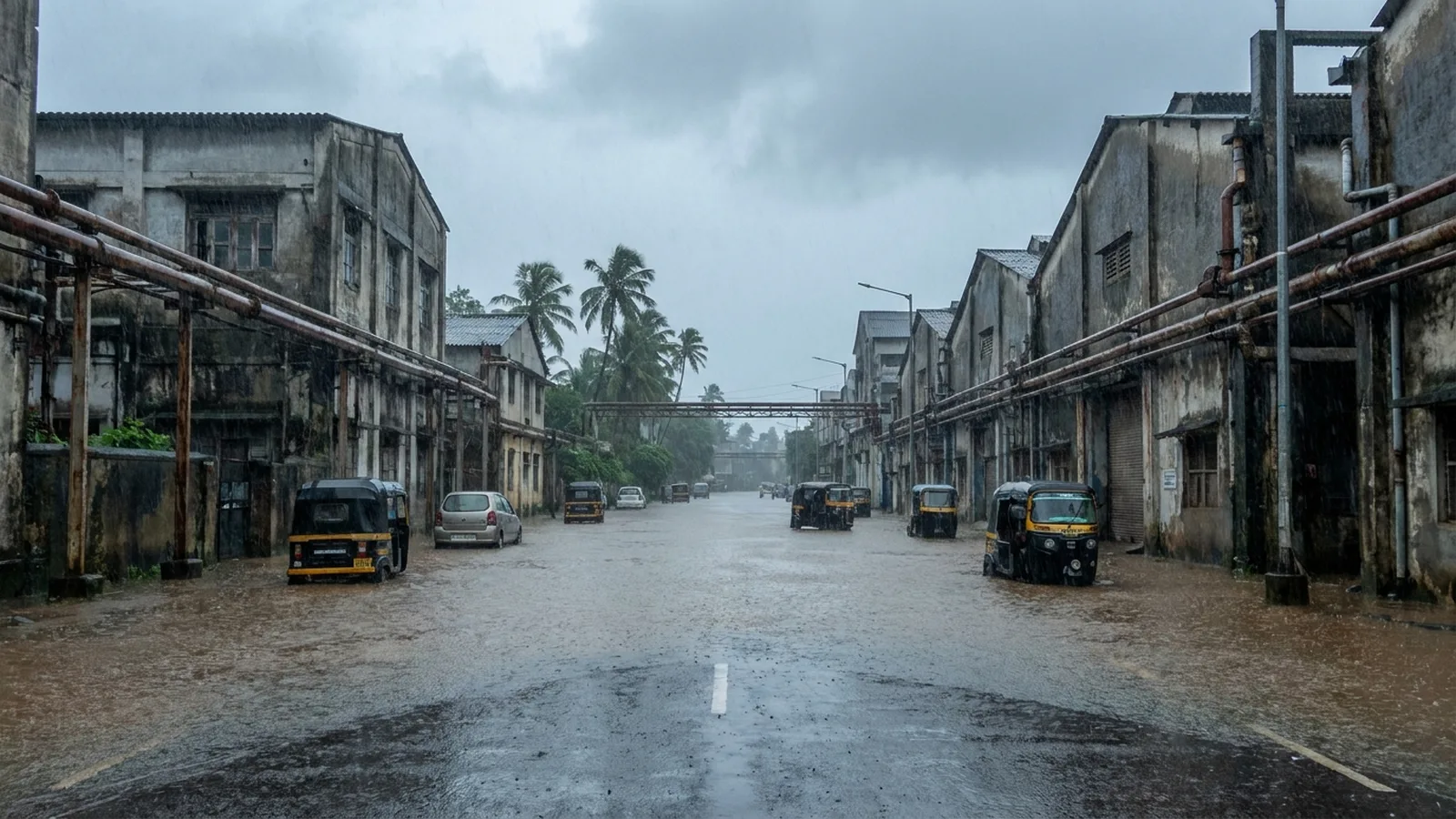
Seismic zones, flood and cyclone risk for data centres in India (2026)
Seismic zones of Indian data centre cities under IS 1893 (Delhi IV; Mumbai and Chennai III), the withdrawn Zone VI map, record floods, cyclones and CRZ limits.
Read the article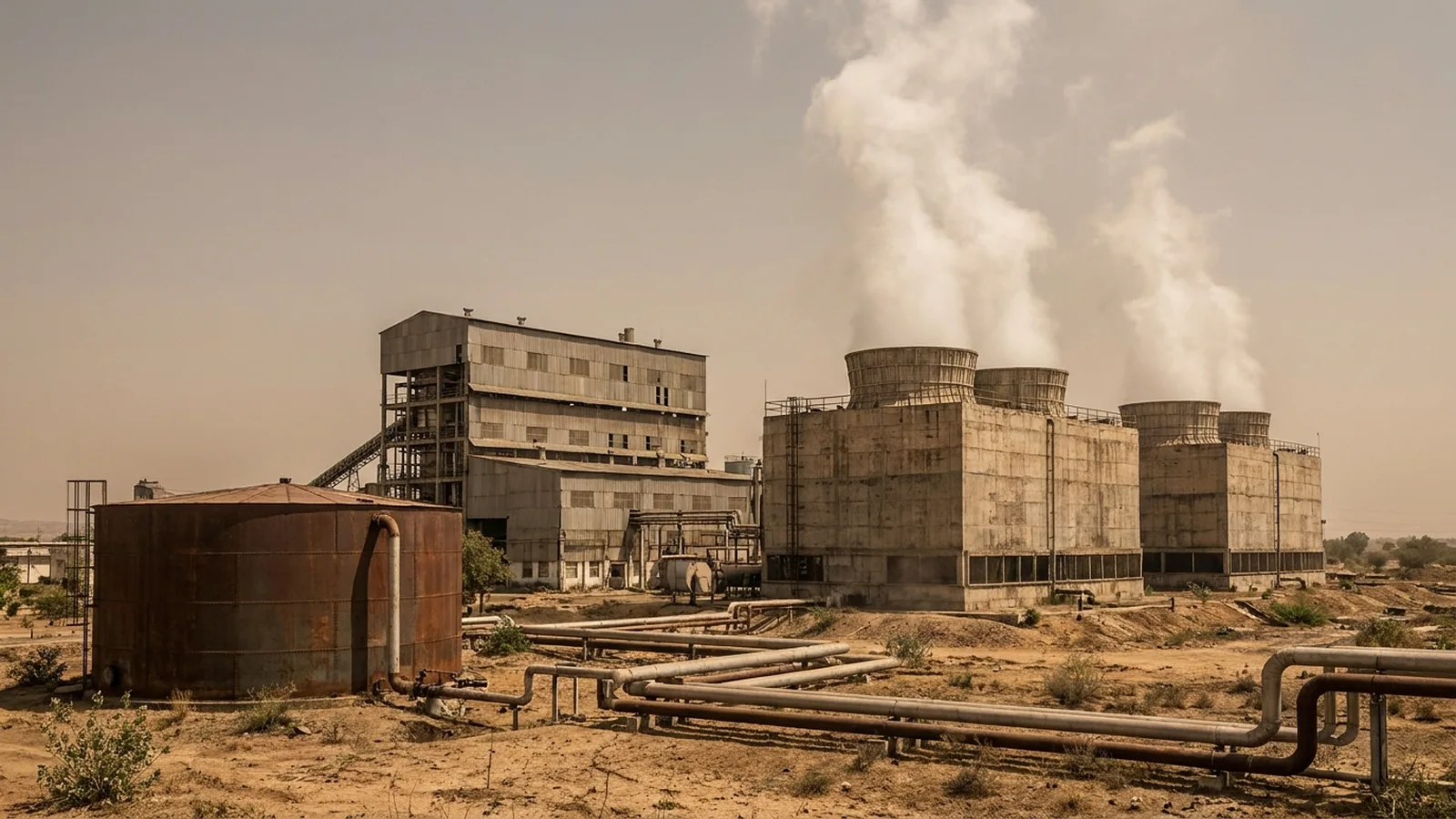
Water for data centres in India: groundwater NOC, water stress and state rules
Data centres in India need a CGWA or state NOC to draw groundwater. Anarock puts use at about 25.5 million litres per MW a year. Water-stressed cities, state rules.
Read the article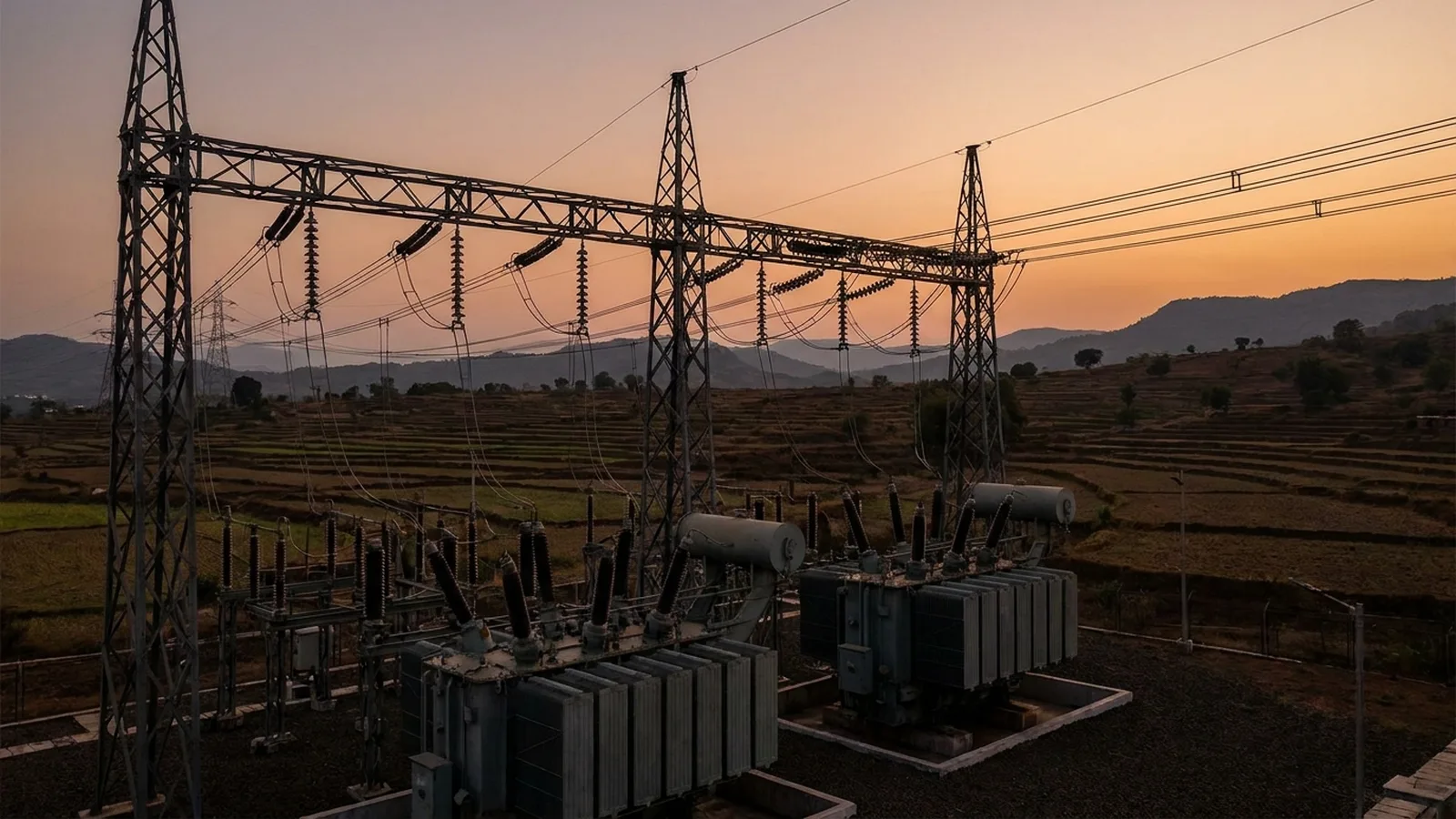
Power for data centres in India: grid supply, open access and tariffs by state
How data centres in India buy power: discom supply, green open access from 100 kW, captive plants, and state tariffs such as Tamil Nadu’s ₹7.50/kWh plus ₹608/kVA.
Read the article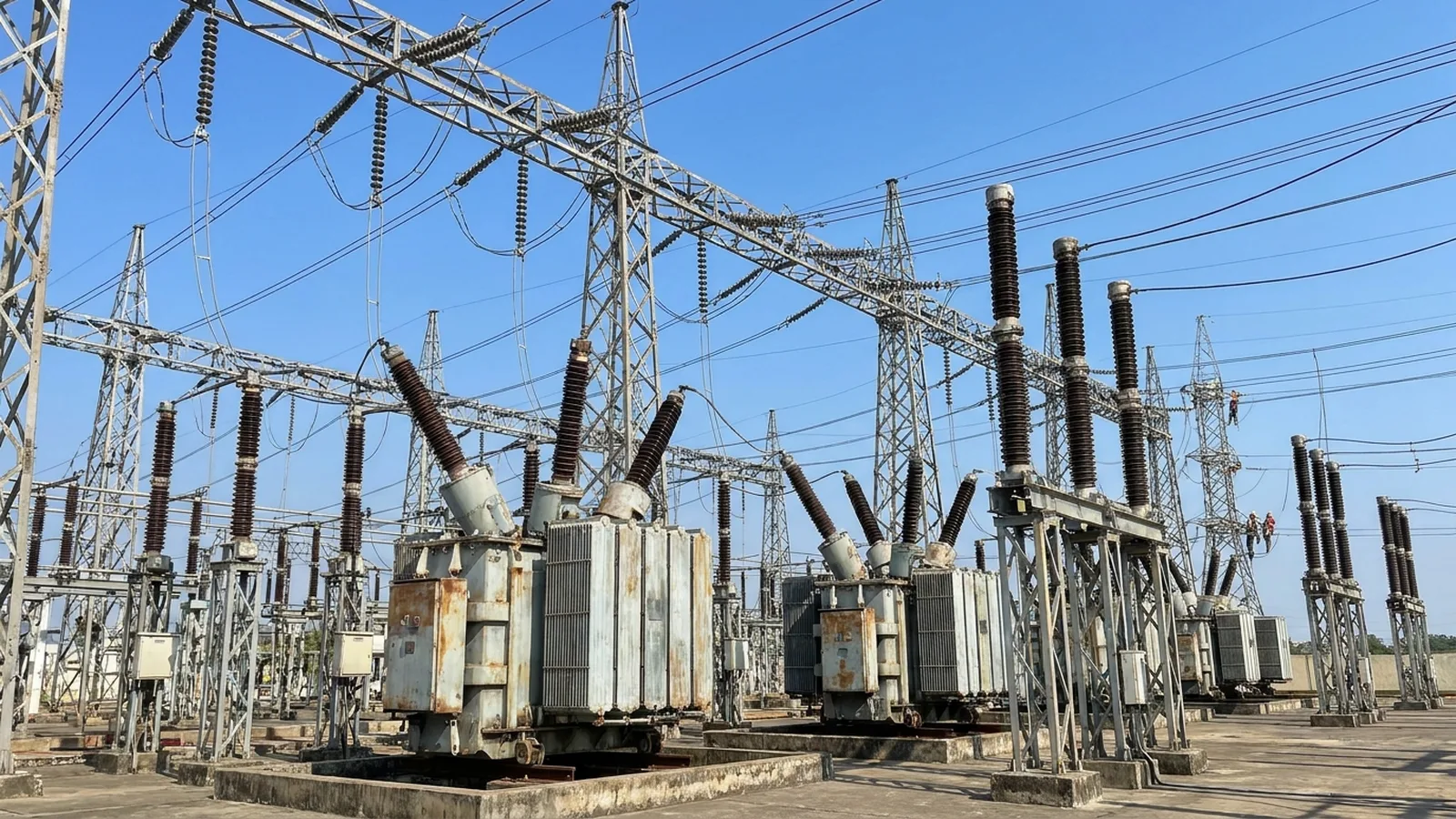
Data centre grid connection in India: voltage by load, dual grid and GNA (2026)
Data centre grid connection in India: supply moves to 110, 132 or 220 kV above about 10 MVA, who pays for lines and bays, and direct inter-state access from 50 MW.
Read the article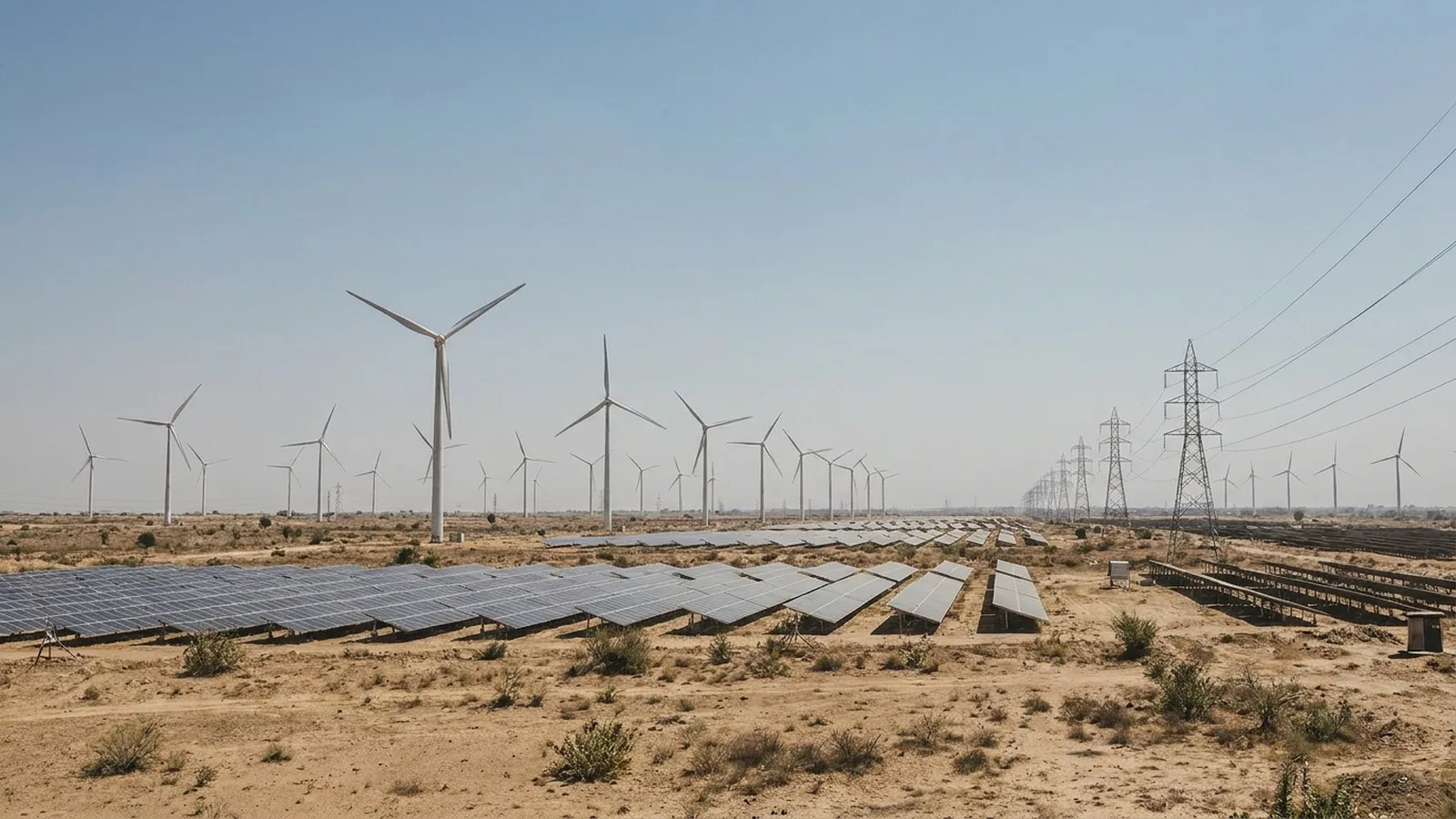
Green energy open access for data centres in India: rules, banking and ISTS (2026)
Green energy open access for data centres in India: 100 kW eligibility, 15-day deemed approval, monthly banking, the ISTS waiver phase-out to 2028 and captive rules.
Read the article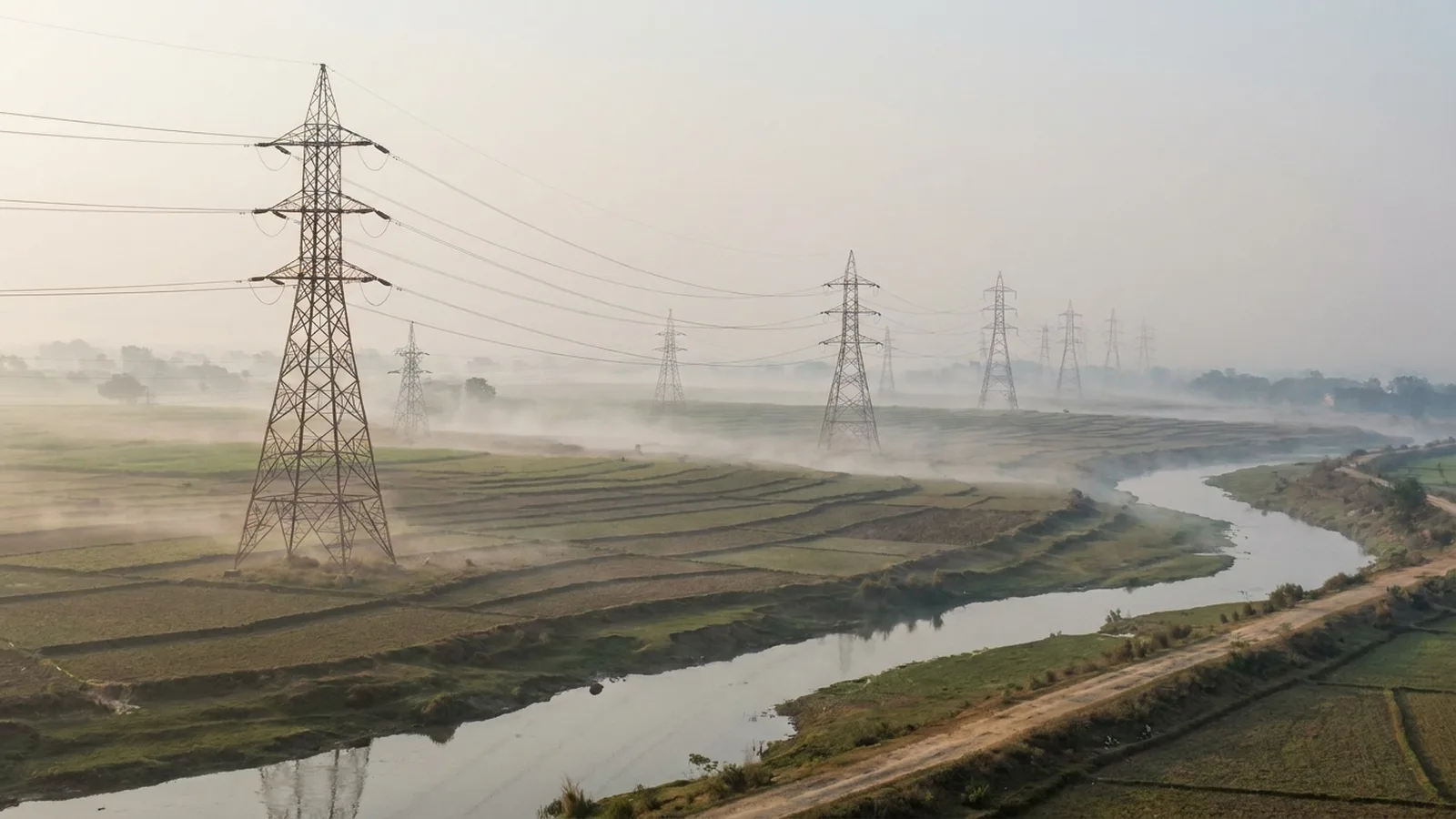
Open access charges by state in India: cross subsidy surcharge and wheeling (2026)
Open access charges for data centres in India: cross subsidy surcharge, additional surcharge, wheeling, banking, the 2022 green caps and state waivers up to 100%.
Read the article
India data centre power demand to 2032: what CEA and the government project
India data centre power demand: CEA projects about 17 GW by 2031-32, other official figures range from 13.56 GW to 26.3 GW, and how that compares with peak demand.
Read the article
Power study for a data centre site in India: load flow and N-1 against the grid
Power study for a data centre site in India: load flow and N-1 tests to state grid code criteria, such as Maharashtra’s 500 MVA norm for a 220 kV substation.
Read the article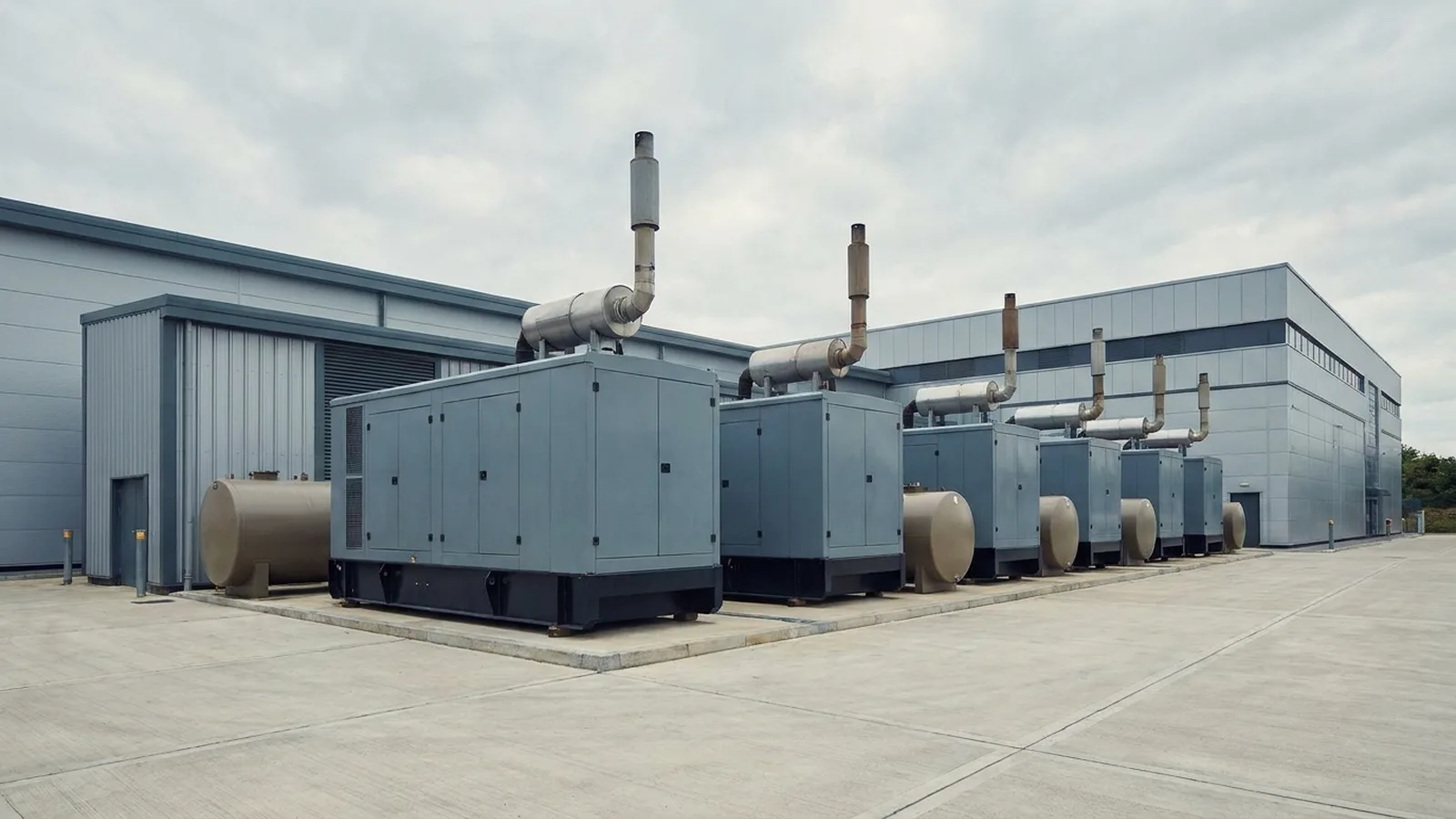
Diesel generator rules for data centres in India: CPCB IV, consents and PESO (2026)
Diesel generator rules for data centres in India: CPCB IV for gensets up to 800 kW, Orange category from 1 MVA on liquid fuel, PESO licence above 25,000 litres.
Read the article
National data centre policy in India: the 2020 draft and what applies now (2026)
India has no notified national data centre policy as of November 2026: MeitY's 2020 draft was never notified and talks reopened in August 2025. What applies instead.
Read the article
Data centre incentives in India: infrastructure status, tax holiday and SEZs (2026)
Central data centre incentives in India: infrastructure status for 5 MW+ IT load since October 2022, a tax holiday to 2047 for cloud services, FDI and SEZ rules.
Read the article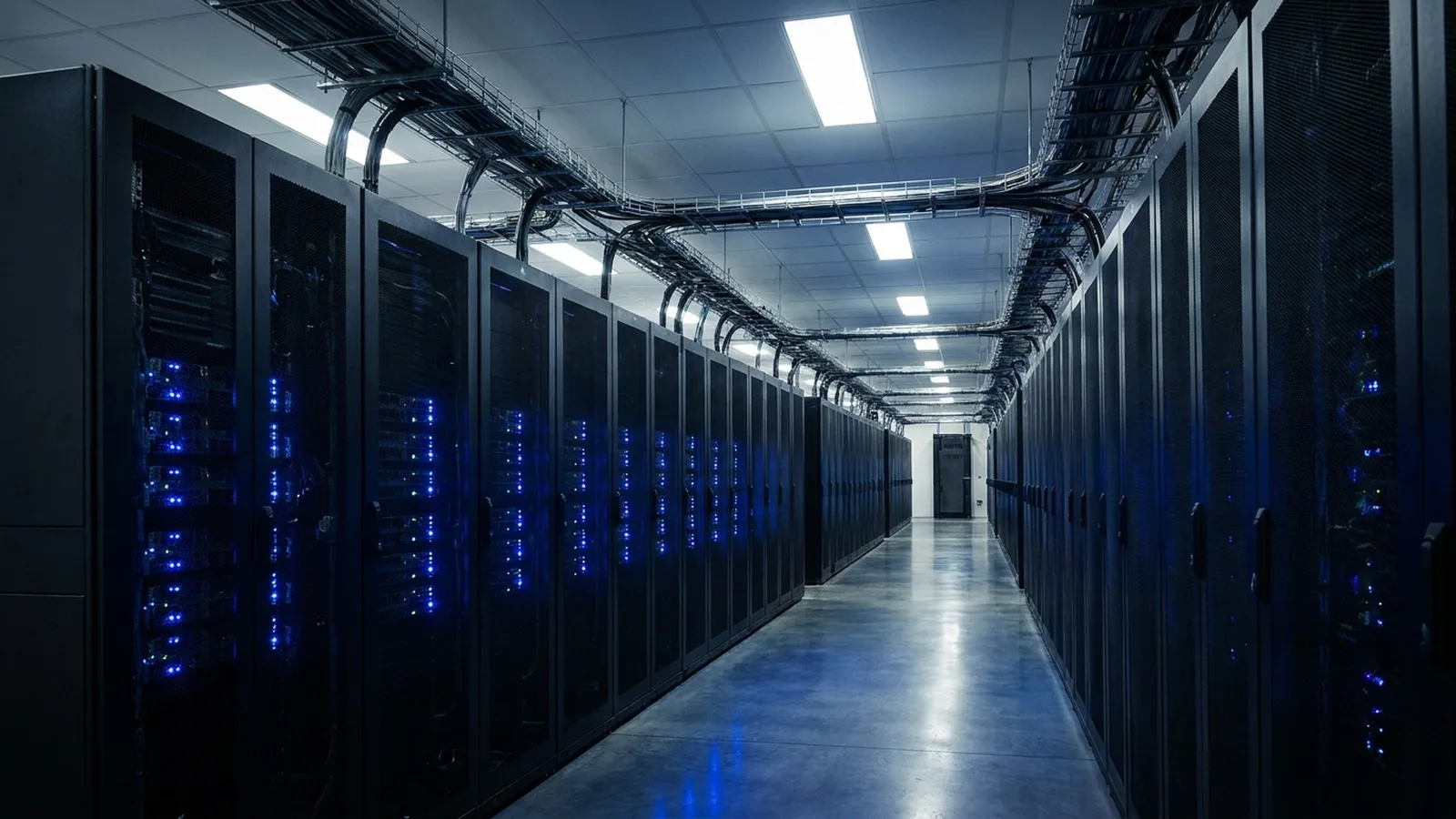
DPDP Act and data localisation: what it means for data centres in India (2026)
India's DPDP Act 2023 does not require blanket data localisation, but RBI, SEBI, IRDAI, CERT-In and telecom rules do. What each rule means for data centres.
Read the article
Data centre policy in India: state data centre policies compared (2026)
State data centre policies in India compared: 11 states had policies in force in September 2026 (Invest India). Subsidy, power tariff and stamp duty by state.
Read the article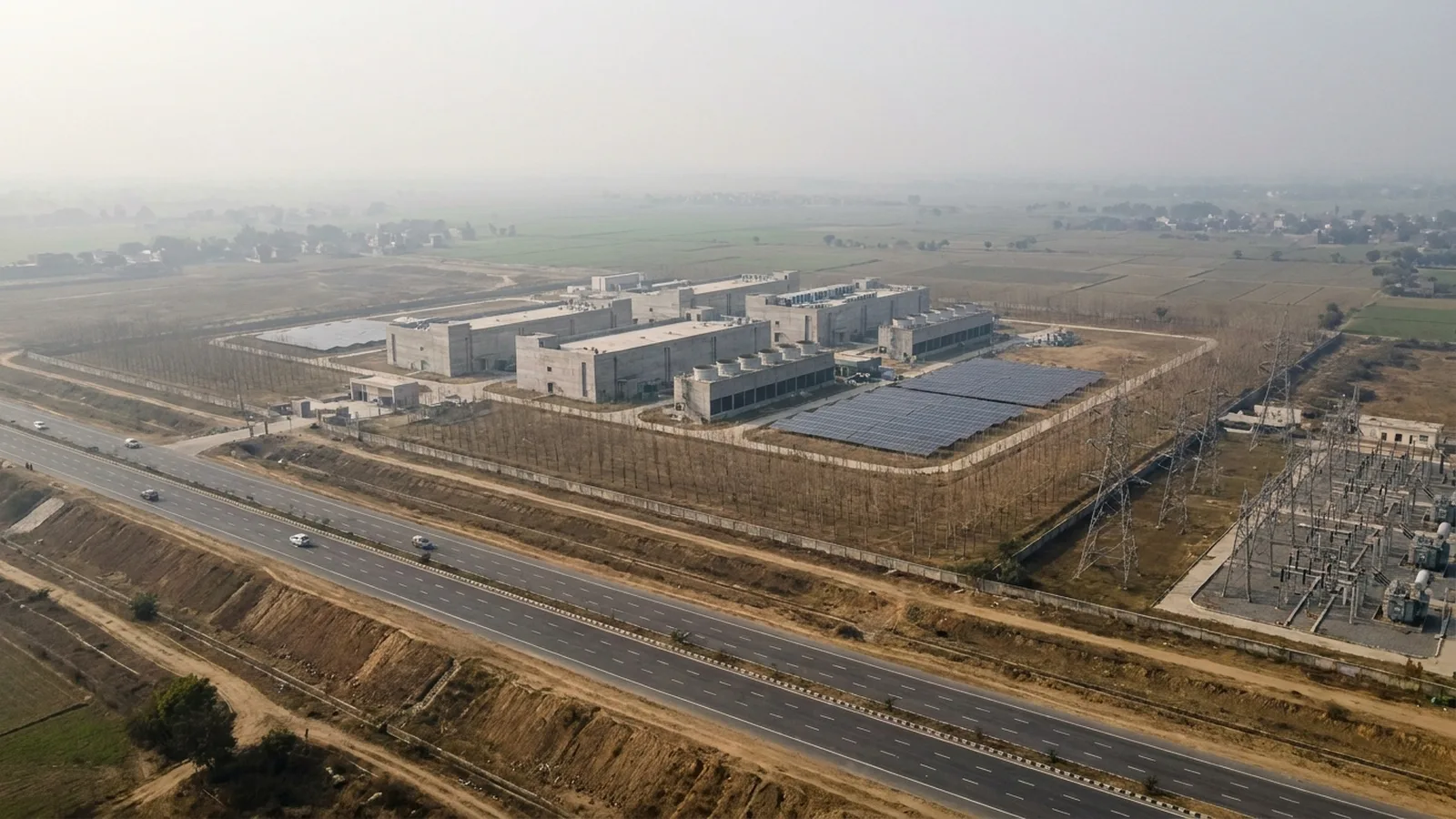
Uttar Pradesh data centre policy 2026: parks, capital subsidy and power incentives
Uttar Pradesh Data Centre Policy 2026: up to ₹50 crore interest subsidy for parks, 7% capital subsidy up to ₹20 crore for units, 10-year electricity duty exemption.
Read the article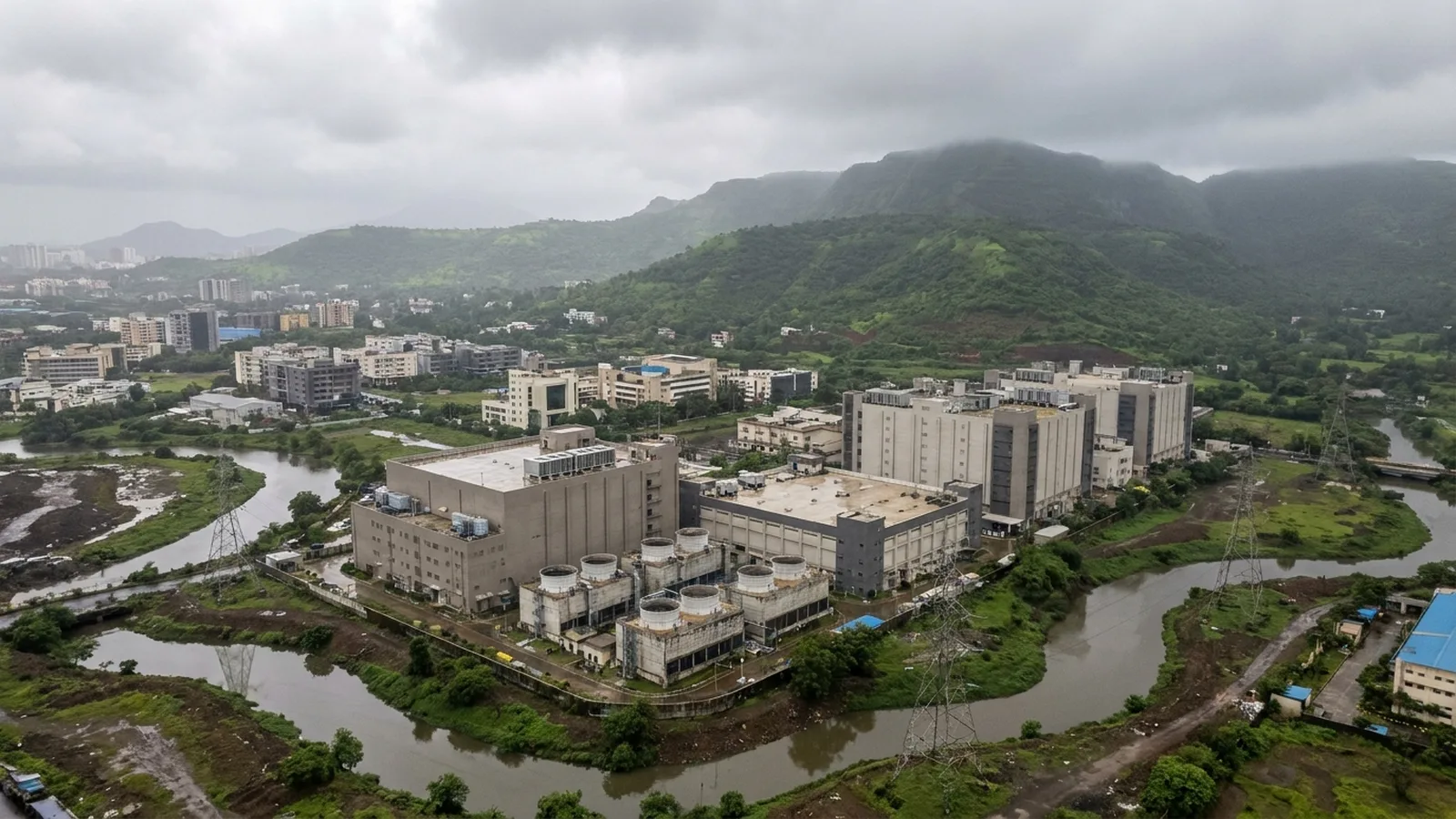
Maharashtra data centre policy 2026: green data centre parks and IT/ITES incentives
Maharashtra covers data centres in its IT/ITES Policy 2023 and a green parks policy expanded to 20 parks in June 2026, with a 20-year electricity duty exemption.
Read the article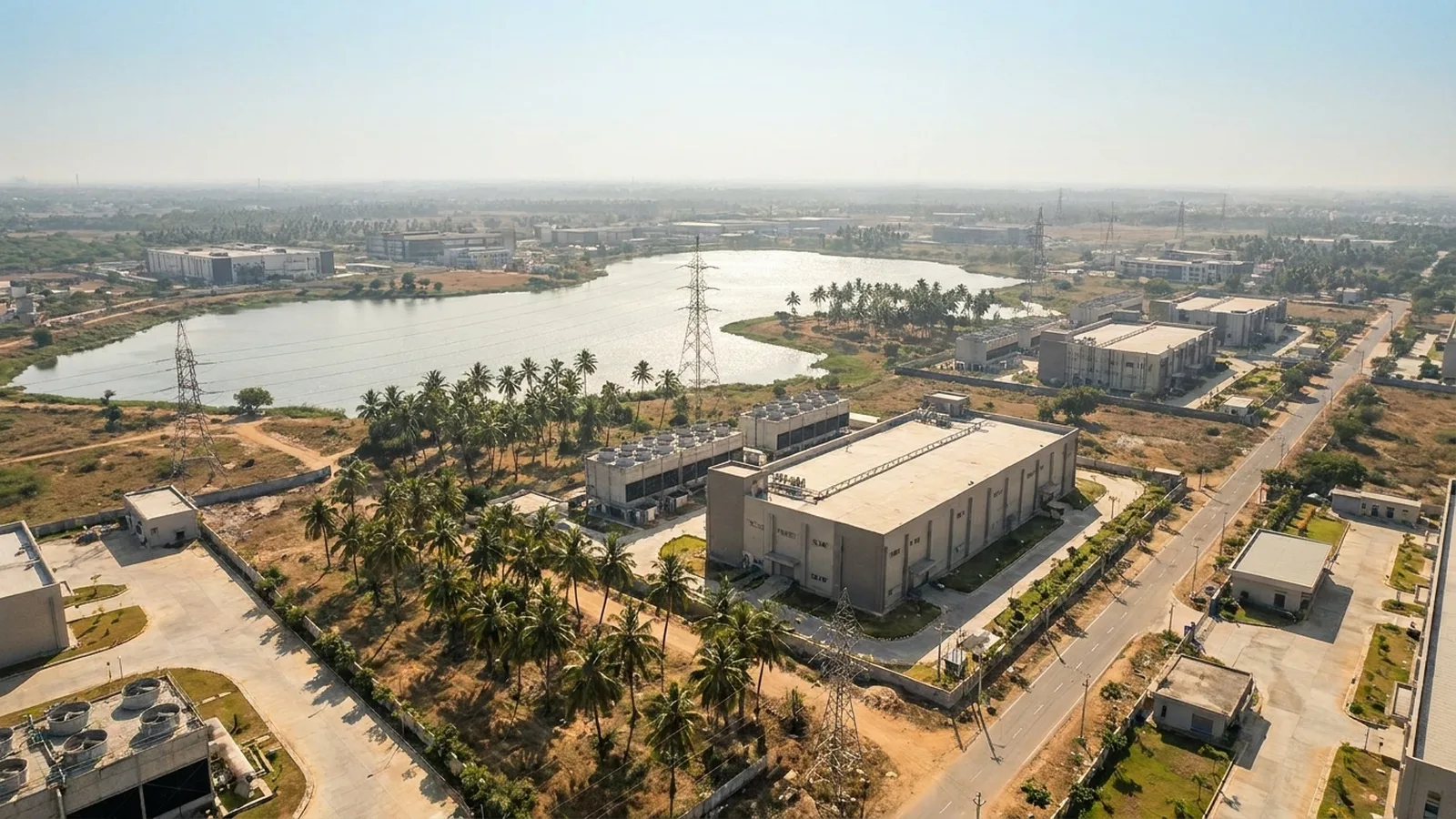
Tamil Nadu data centre policy: the 2021 policy, incentives and status (2026)
Tamil Nadu Data Centre Policy 2021: ₹500 crore minimum and 30% renewable power, for data centres incorporated by 31 March 2026. No successor found by November 2026.
Read the article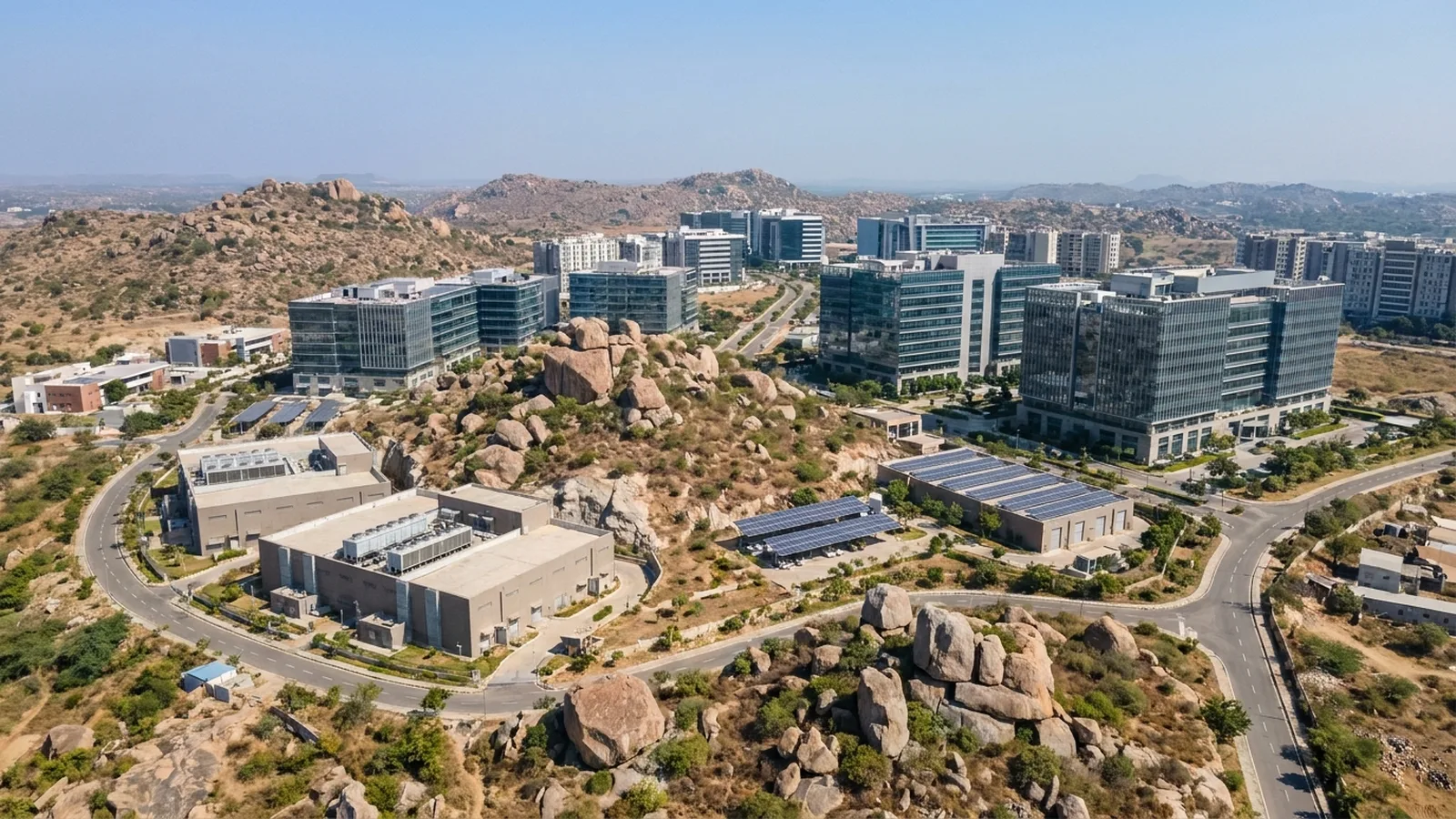
Telangana data centre policy: the 2016 policy, incentives and Hyderabad (2026)
Telangana’s Data Centres Policy 2016 is the latest we found as of November 2026. The state targets 5 GW by 2029; Hyderabad had 151 MW live in mid-2026.
Read the article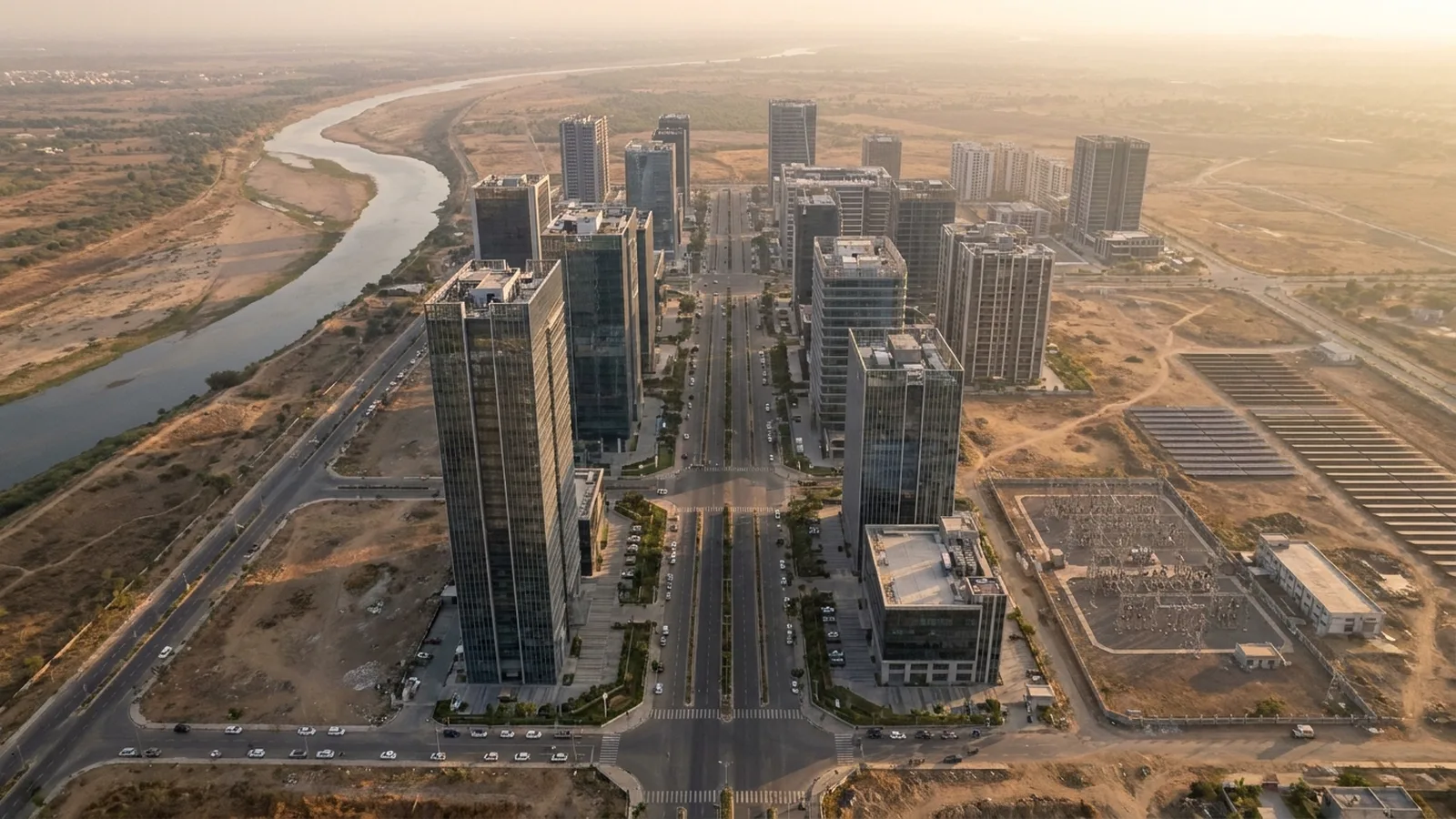
Gujarat data centre policy 2026-29: 150 MW threshold and ₹1 per unit subsidy
Viksit Gujarat Data Centre Policy 2026-29: 150 MW minimum IT load, 51% renewable power, ₹1 per unit for 20 years and a 7.5 GW target, launched 9 July 2026.
Read the article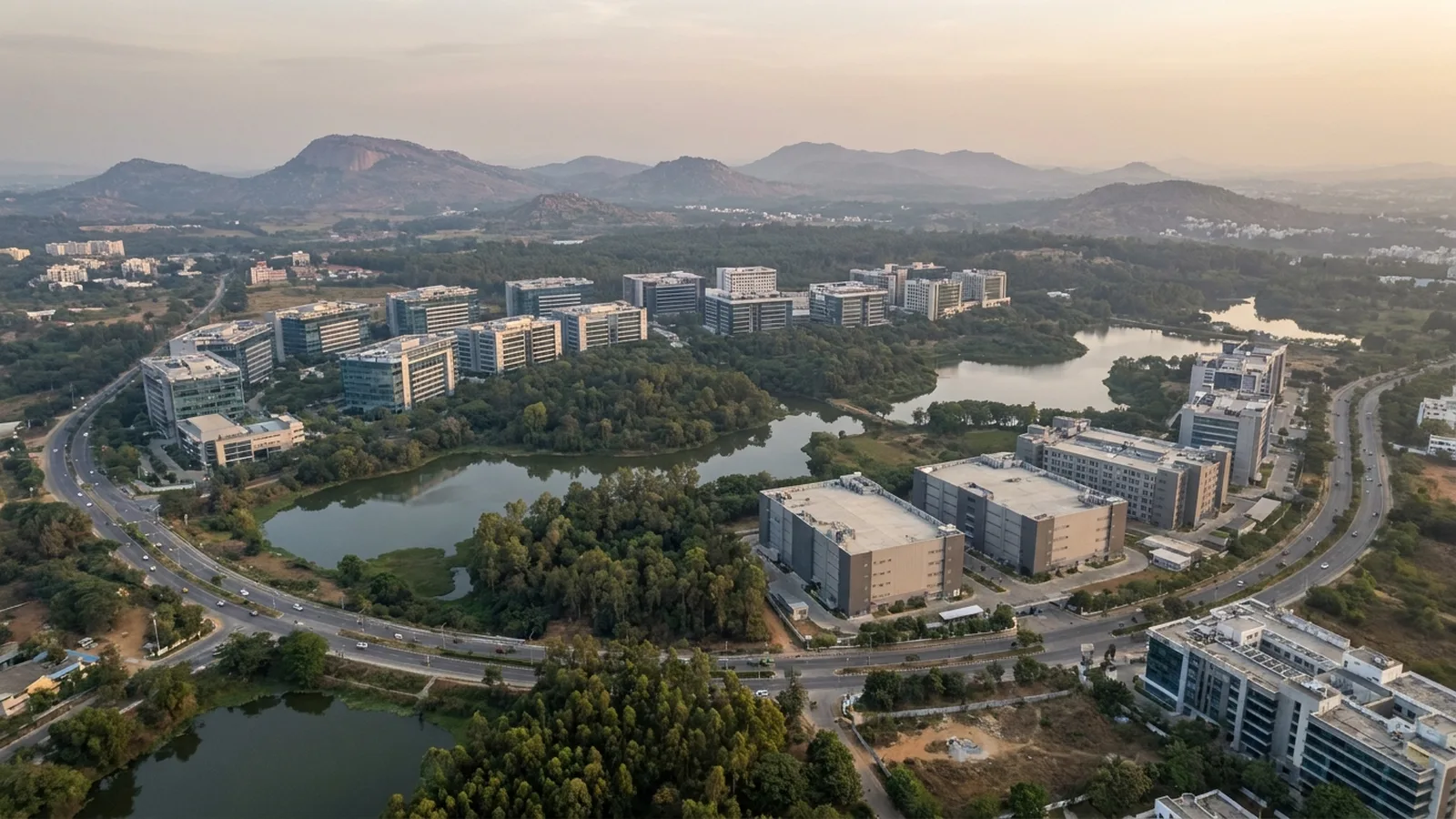
Karnataka data centre policy 2026-31: incentives, water rules and the 2022 policy
Karnataka Sustainable Data Centre Policy 2026-31, approved in September 2026: ₹1,300.45 crore budget, 1 GW target and up to ₹20 crore for a PUE of 1.00 to 1.20.
Read the article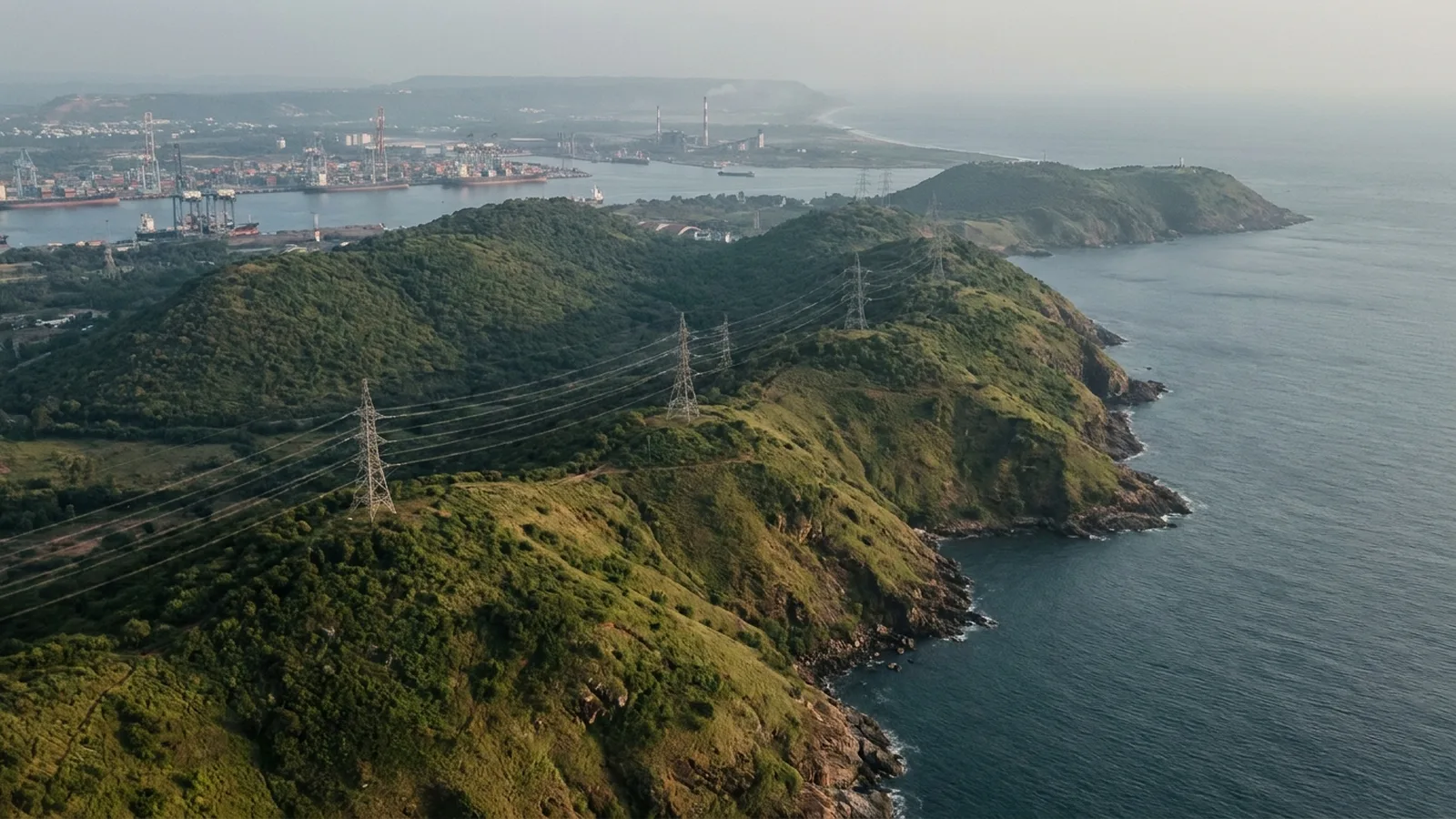
Andhra Pradesh data centre policy 4.0 (2024-29): incentives and mega projects
Andhra Pradesh data centre policy 4.0 (2024-29): SGST refund or a 10% capital subsidy; four projects cleared in 2026 with ₹2.83 lakh crore of proposed investment.
Read the article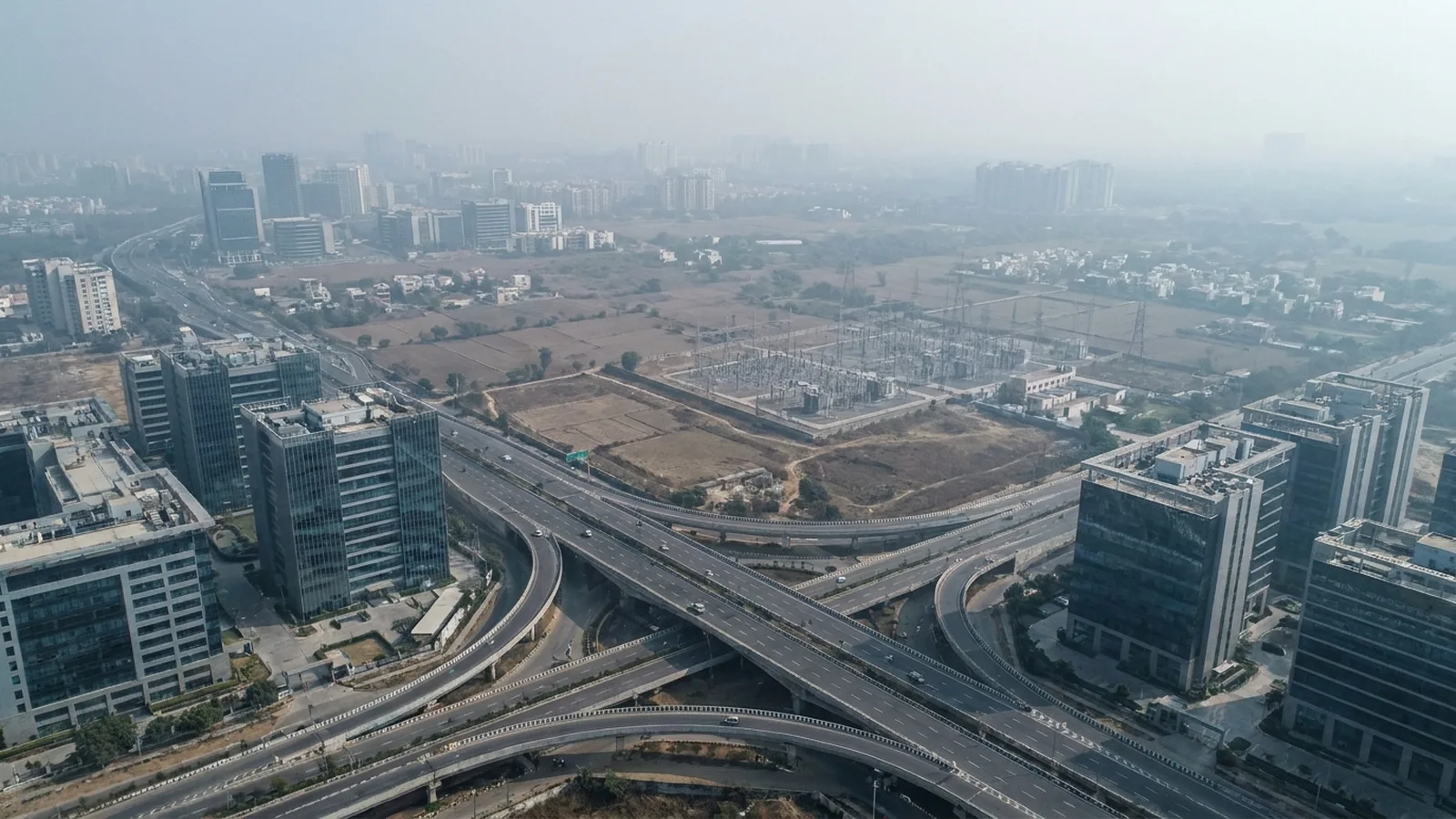
Haryana data centre policy 2026: capex and opex support and the 2022 policy
Haryana Data Centre Policy 2026 (27 May 2026): hyperscale data centres above 10 MW get 20% capex support up to ₹25 crore and 50% opex support up to ₹8 crore a year.
Read the article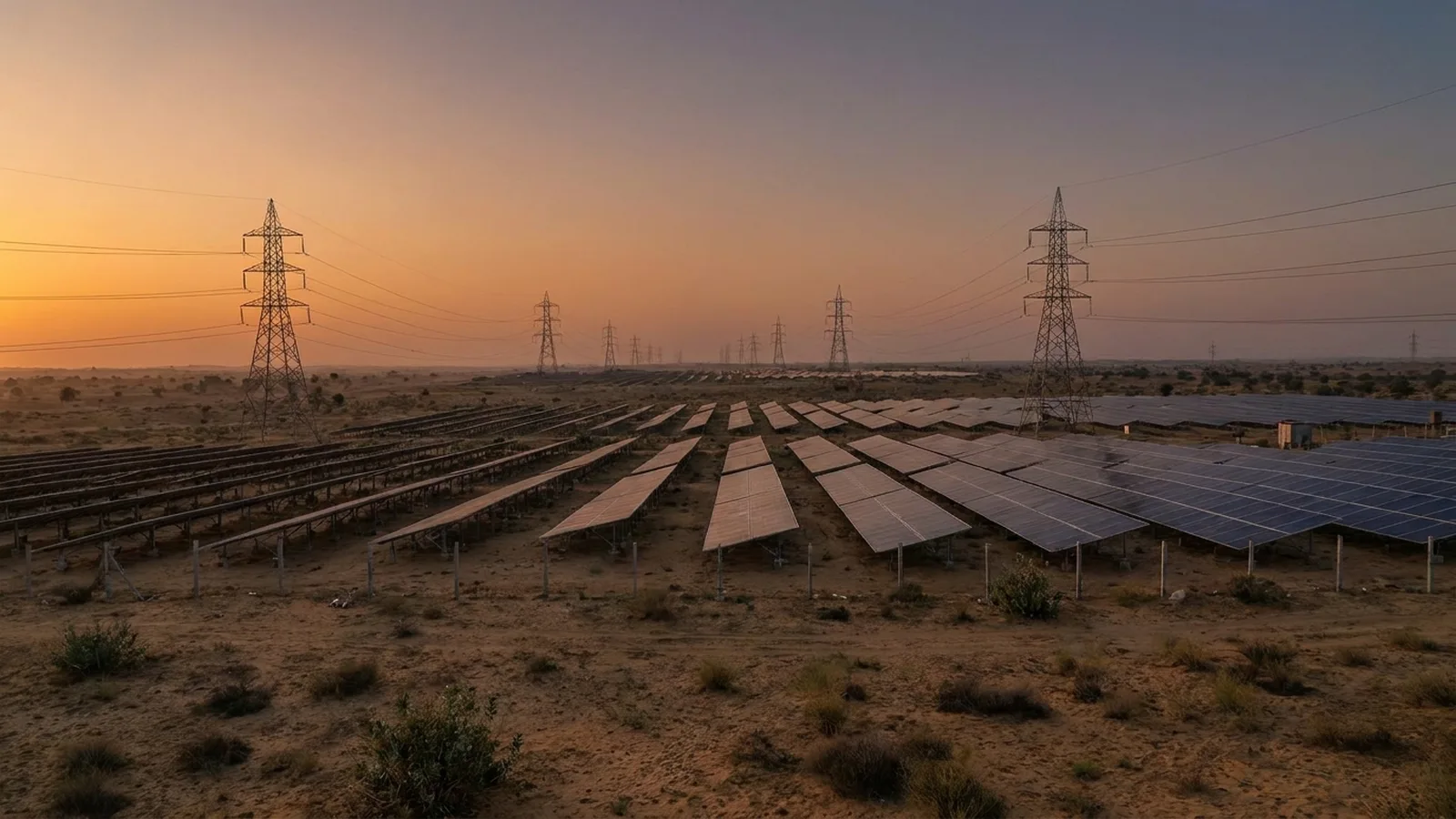
Rajasthan data centre policy 2025: investment target, status and official text
Rajasthan’s Data Centre Policy 2025 aims to attract about ₹20,000 crore of data centre investment over five years, the Chief Minister said in April 2025.
Read the article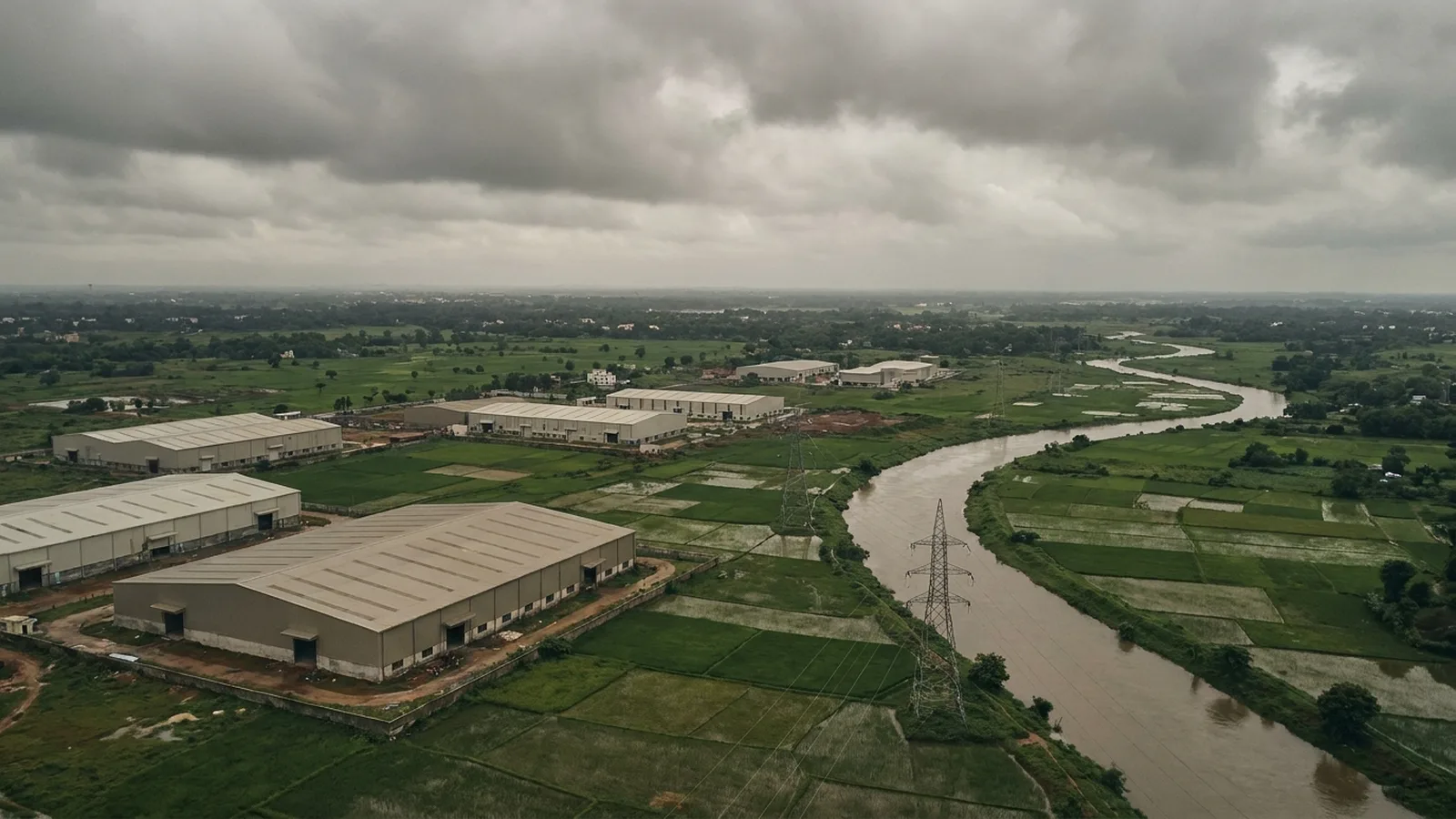
Odisha data centre policy 2022: capital subsidy, power subsidy and SGST refund
Odisha's State Data Centre Policy 2022 gives a 20% capital subsidy up to ₹25 crore, a 30% power bill subsidy for five years and 100% net SGST reimbursement.
Read the article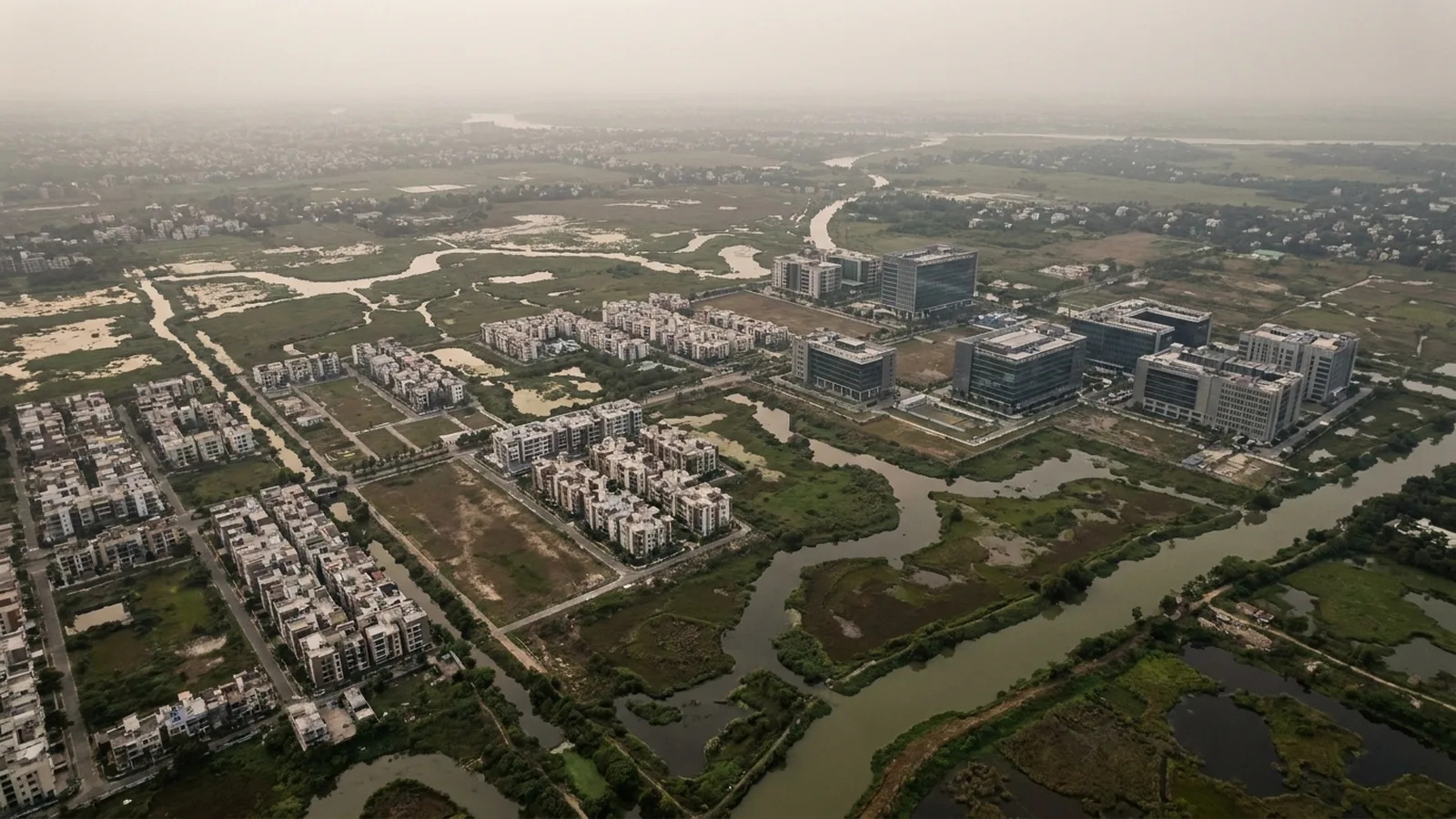
West Bengal data centre policy 2021: incentives, essential services and status
West Bengal's Data Centre Policy 2021 gave stamp duty and electricity duty relief and essential services status; its five-year term ended around September 2026.
Read the article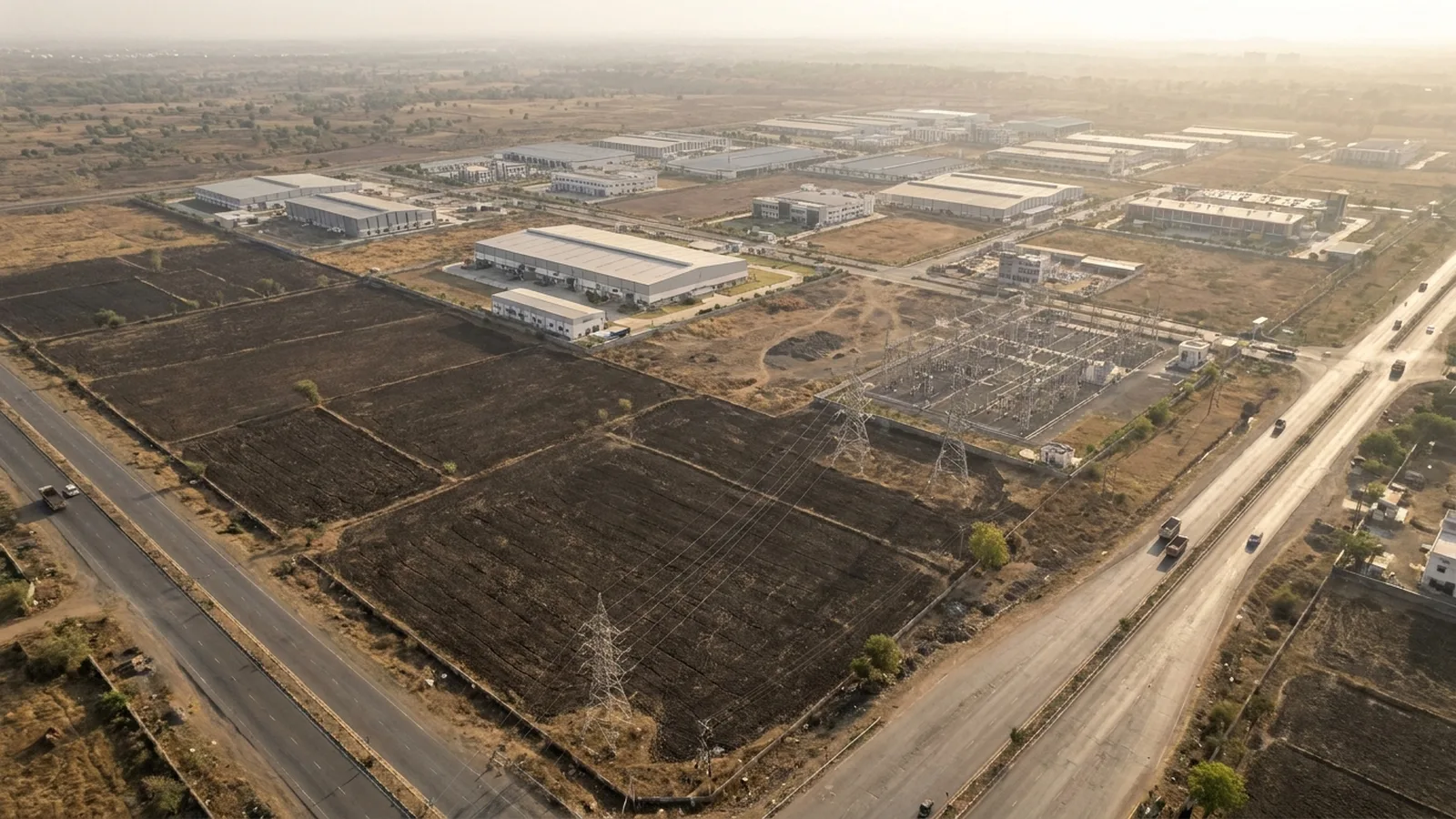
Madhya Pradesh data centre policy: IT, ITeS and ESDM Policy 2023 incentives (2026)
We found no standalone Madhya Pradesh data centre policy; its IT, ITeS and ESDM Policy 2023 gives anchor data centres 25% capex support up to ₹125 crore each.
Read the article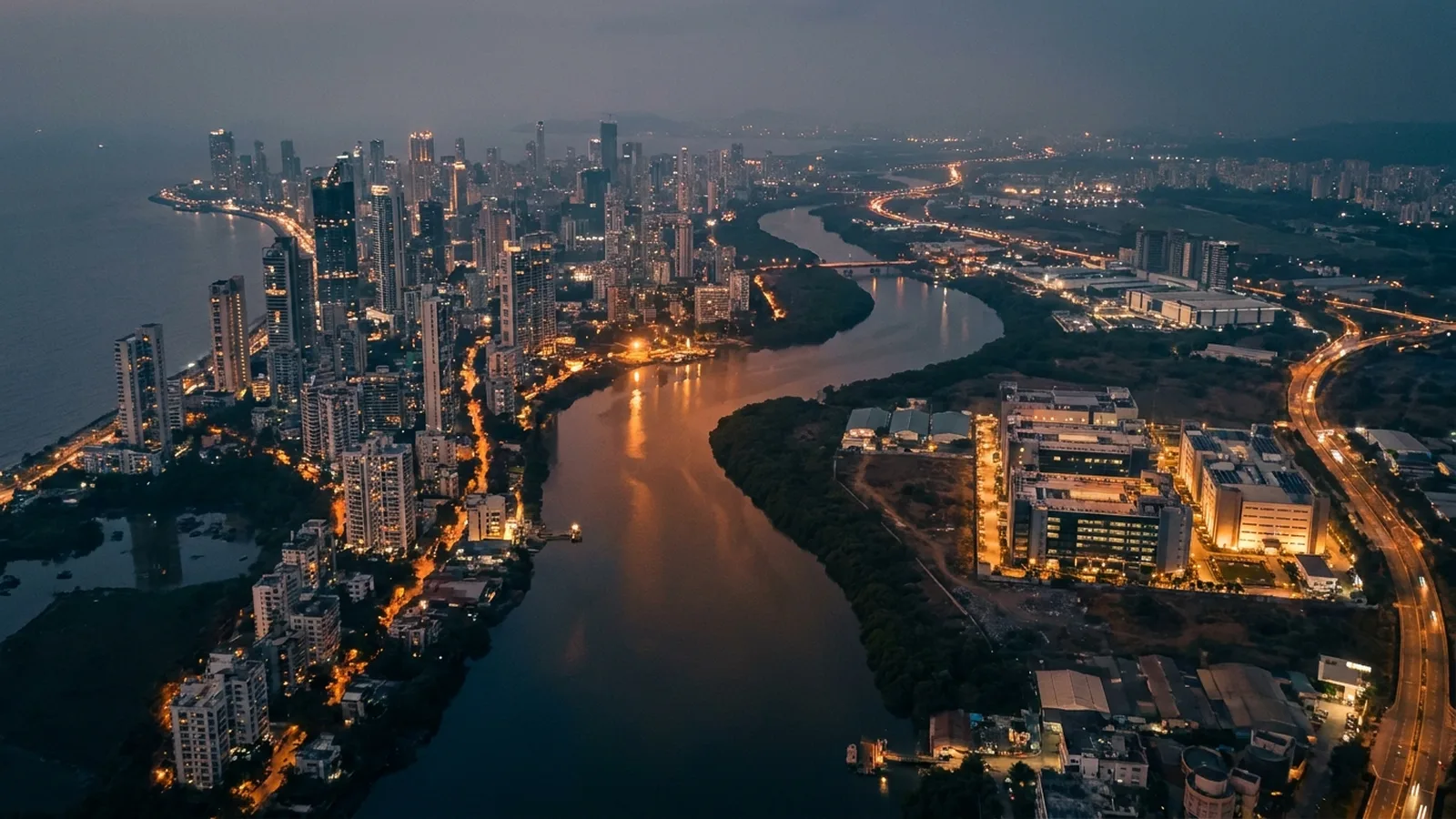
Data centres in Mumbai and Navi Mumbai: capacity, sub-markets and power (2026)
Mumbai had 890 MW of operational data centre capacity in H1 2026, most of it on Thane-Belapur Road in Navi Mumbai, where grid allocation is now the constraint.
Read the article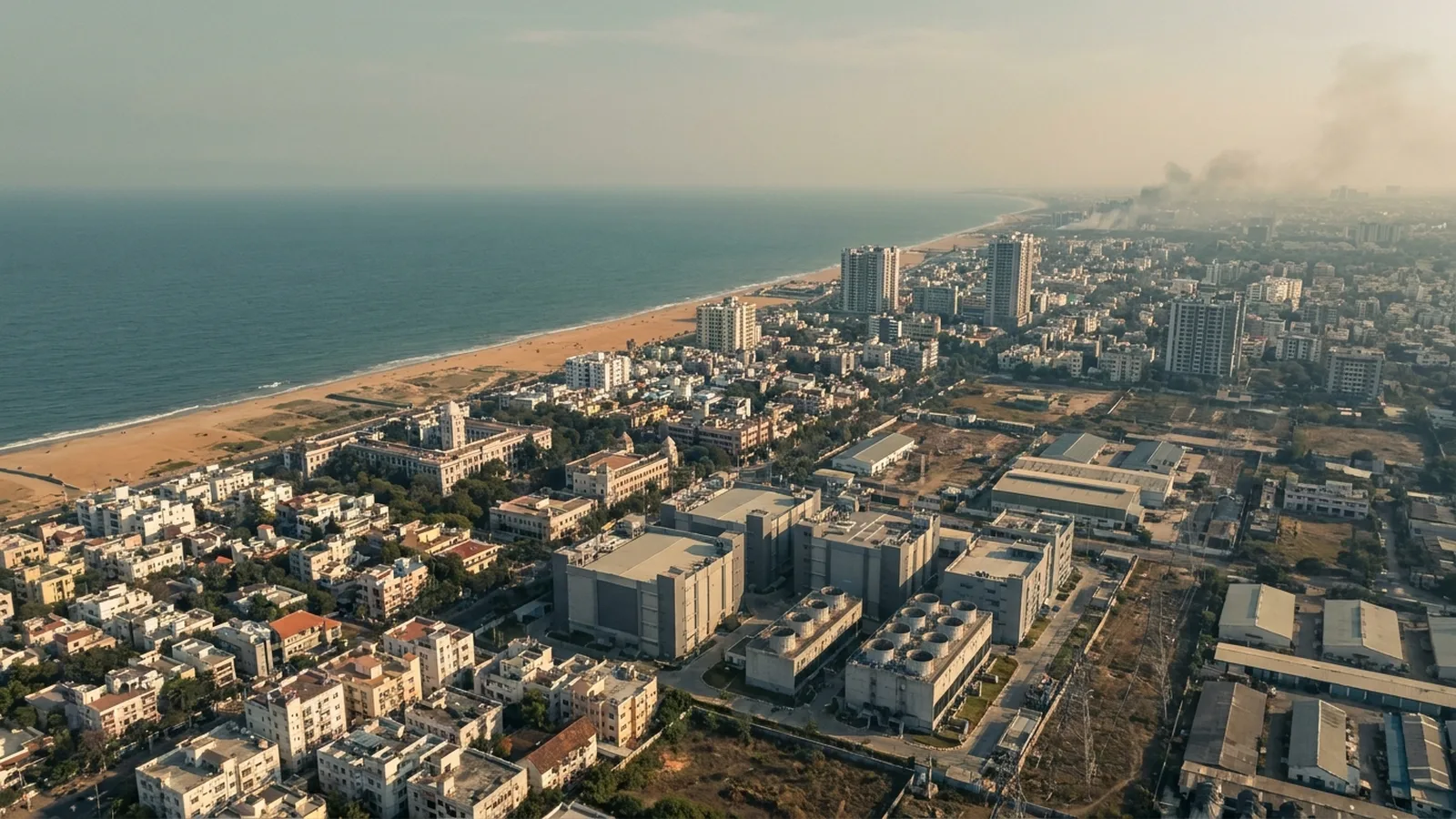
Data centres in Chennai: capacity, Ambattur, Siruseri and flood risk (2026)
Chennai had 214 MW of operational data centre capacity in H1 2026 (Cushman & Wakefield), mostly in Ambattur and Siruseri, with 26.7% vacancy and flood risk.
Read the article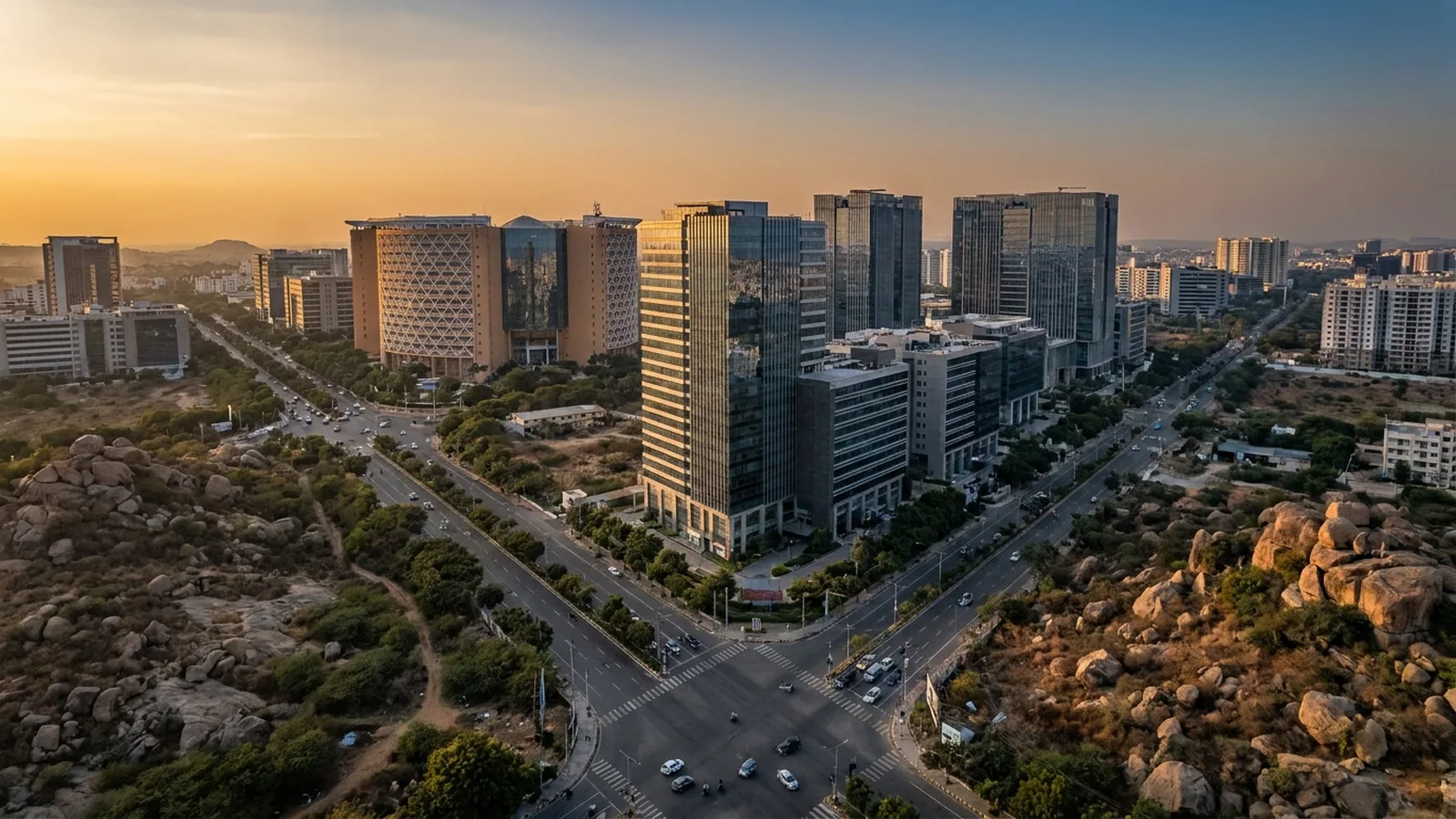
Data centres in Hyderabad: capacity, hyperscalers and power (2026)
Hyderabad had 151 MW of operational data centre capacity in H1 2026 and India’s second-largest pipeline after Mumbai, with AWS and Microsoft cloud regions.
Read the article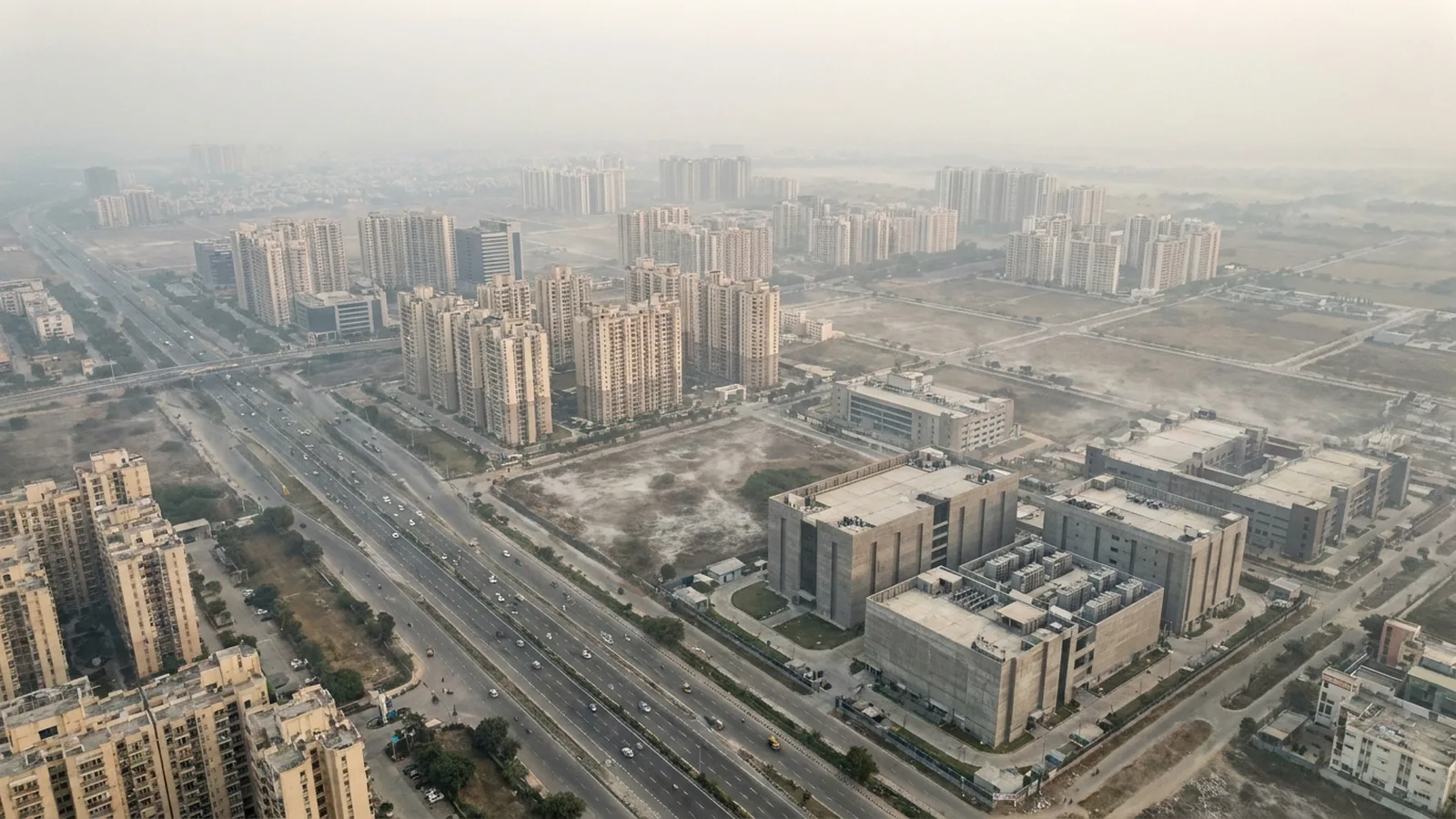
Data centres in Noida and Delhi NCR: Greater Noida, YEIDA and Gurugram (2026)
Noida had 156 MW of the 183 MW of operational data centre capacity in Delhi NCR in H1 2026 (Cushman & Wakefield). UP’s 2026 policy and Jewar airport shape new sites.
Read the article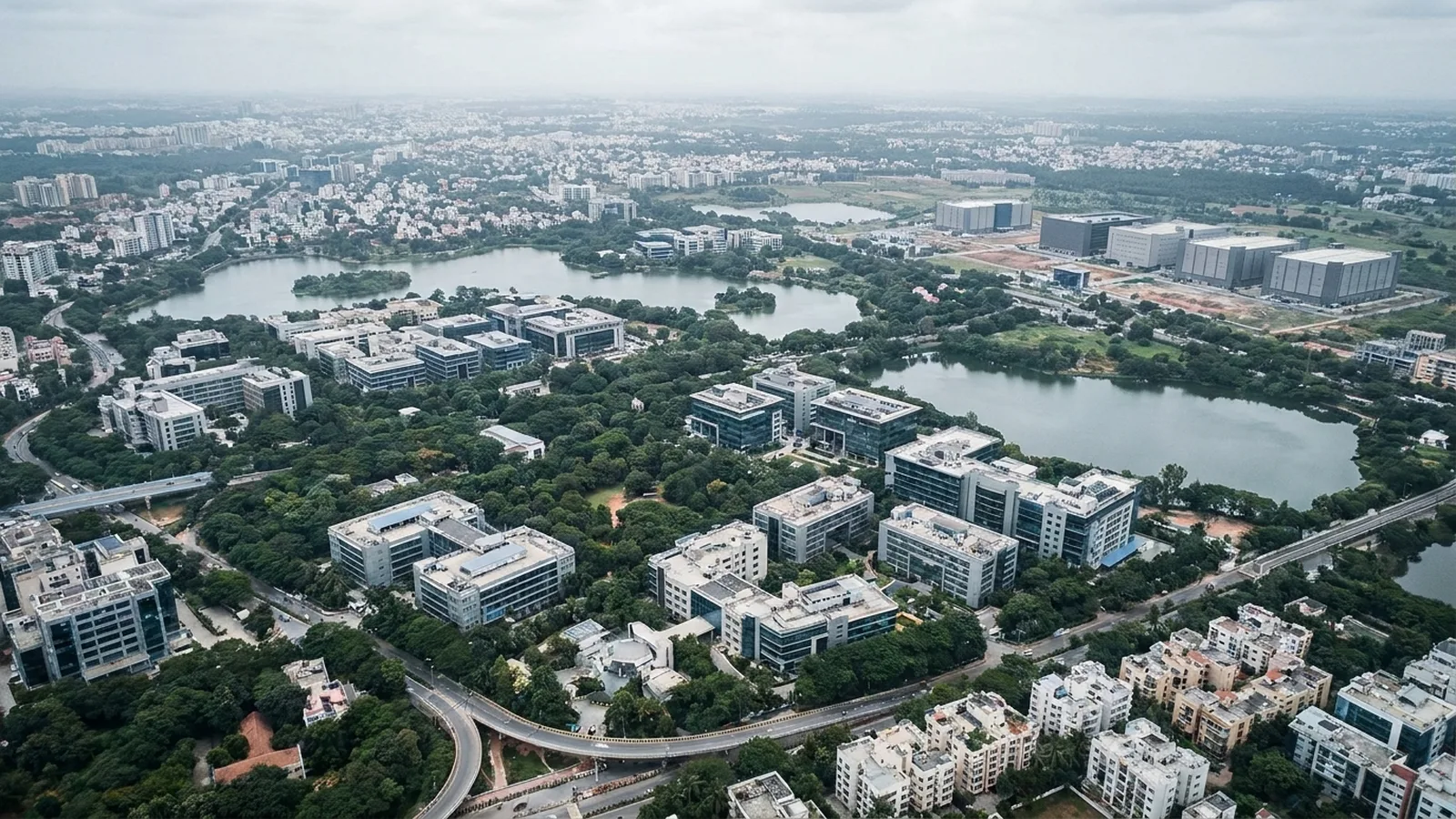
Data centres in Bengaluru: capacity, Whitefield, Hoskote and water (2026)
Bengaluru had 162 MW of operational data centre capacity in H1 2026 (Cushman & Wakefield), mostly in Whitefield, with 28% vacancy. Water is the binding constraint.
Read the article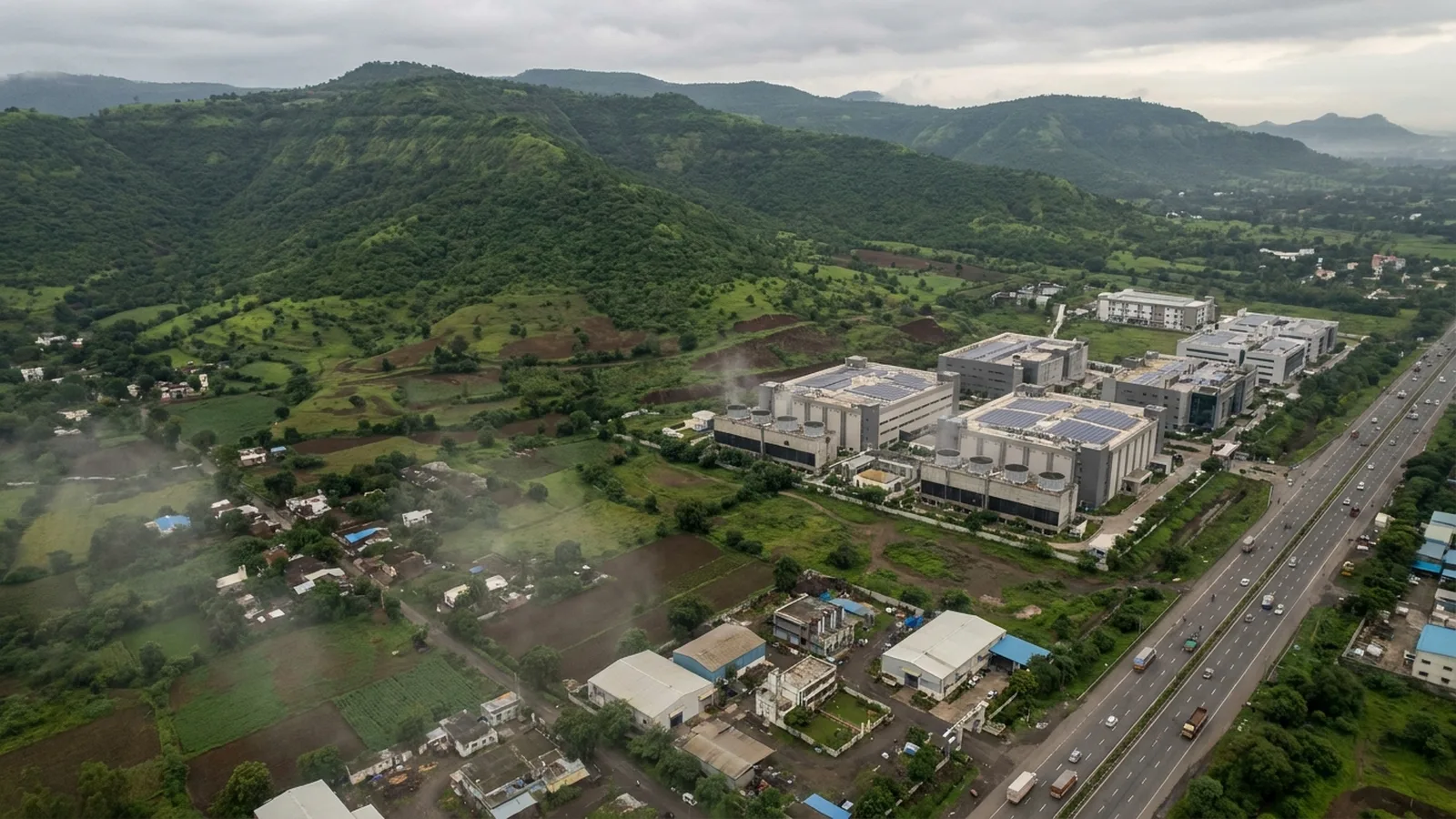
Data centres in Pune: capacity, Hinjewadi, PBD North and power (2026)
Pune had 133 MW of operational data centre capacity in H1 2026, per Cushman & Wakefield, mostly in PBD North and Hinjewadi. Sub-markets, power, policy and risks.
Read the article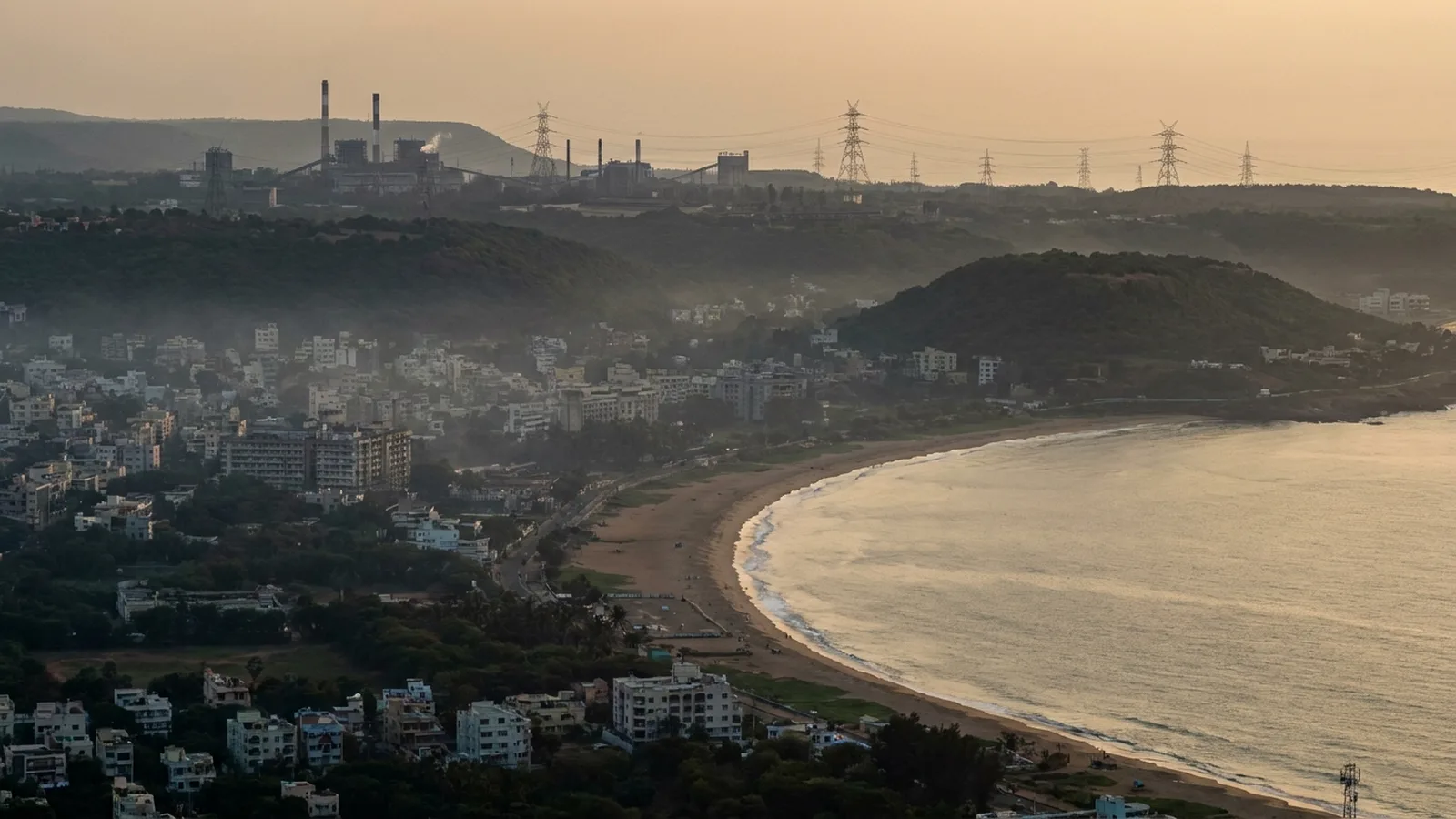
Data centres in Visakhapatnam: Google’s AI hub, gigawatt campuses and risks (2026)
Visakhapatnam has more than 4 GW of early-stage or announced data centre capacity, led by Google’s US$15 billion AI hub. Power, cyclone, water and cable checks.
Read the article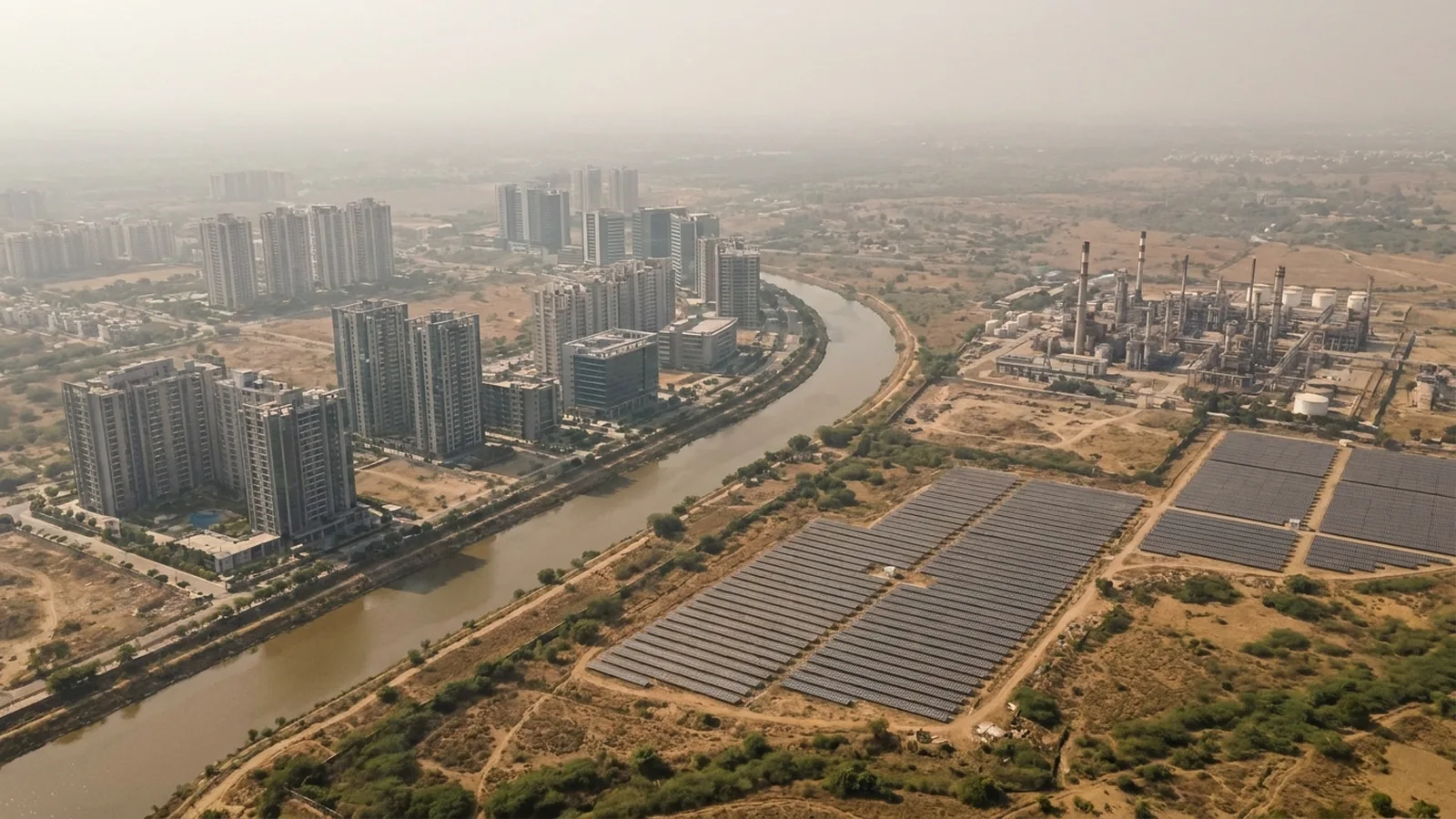
Data centres in Gujarat: Jamnagar, GIFT City, Ahmedabad and Dholera (2026)
Data centres in Gujarat: Reliance’s Jamnagar AI campus, Yotta at GIFT City and a planned 250 MW Dholera campus, under a 2026-29 policy for 150 MW or larger projects.
Read the article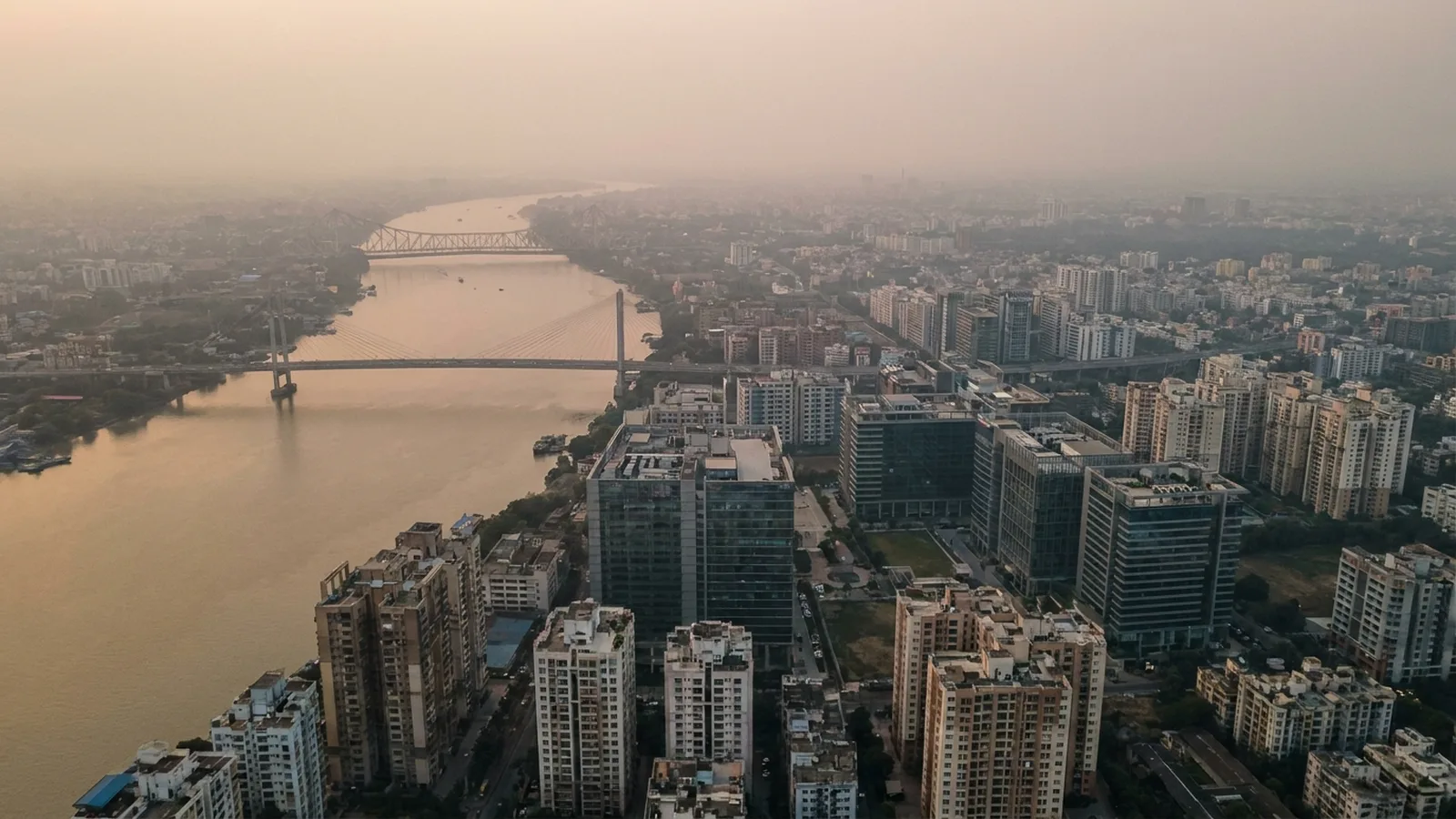
Data centres in Kolkata and East India: New Town, Salt Lake and Bhubaneswar (2026)
Kolkata had 22 MW of operational data centre capacity in H1 2026, mostly in New Town, per Cushman & Wakefield. West Bengal’s 2021 policy term ran to September 2026.
Read the article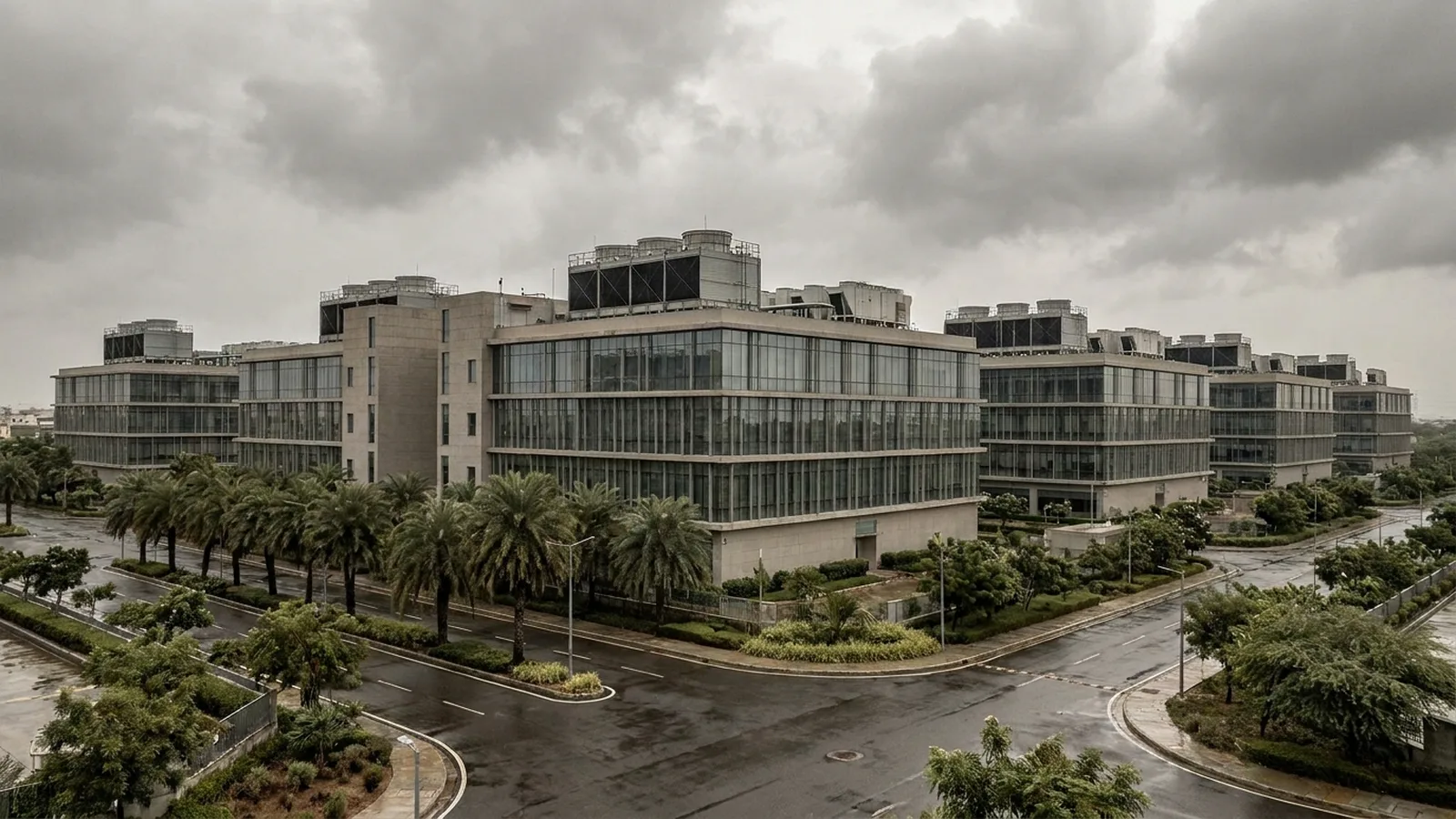
Data centre companies in India: the largest operators and recent deals (2026)
NTT led India’s data centre companies with a 21% share in H1 2026 (Anarock), ahead of Sify, STT GDC, Nxtra and CtrlS. Capacity, plans and 2026 deals by operator.
Read the article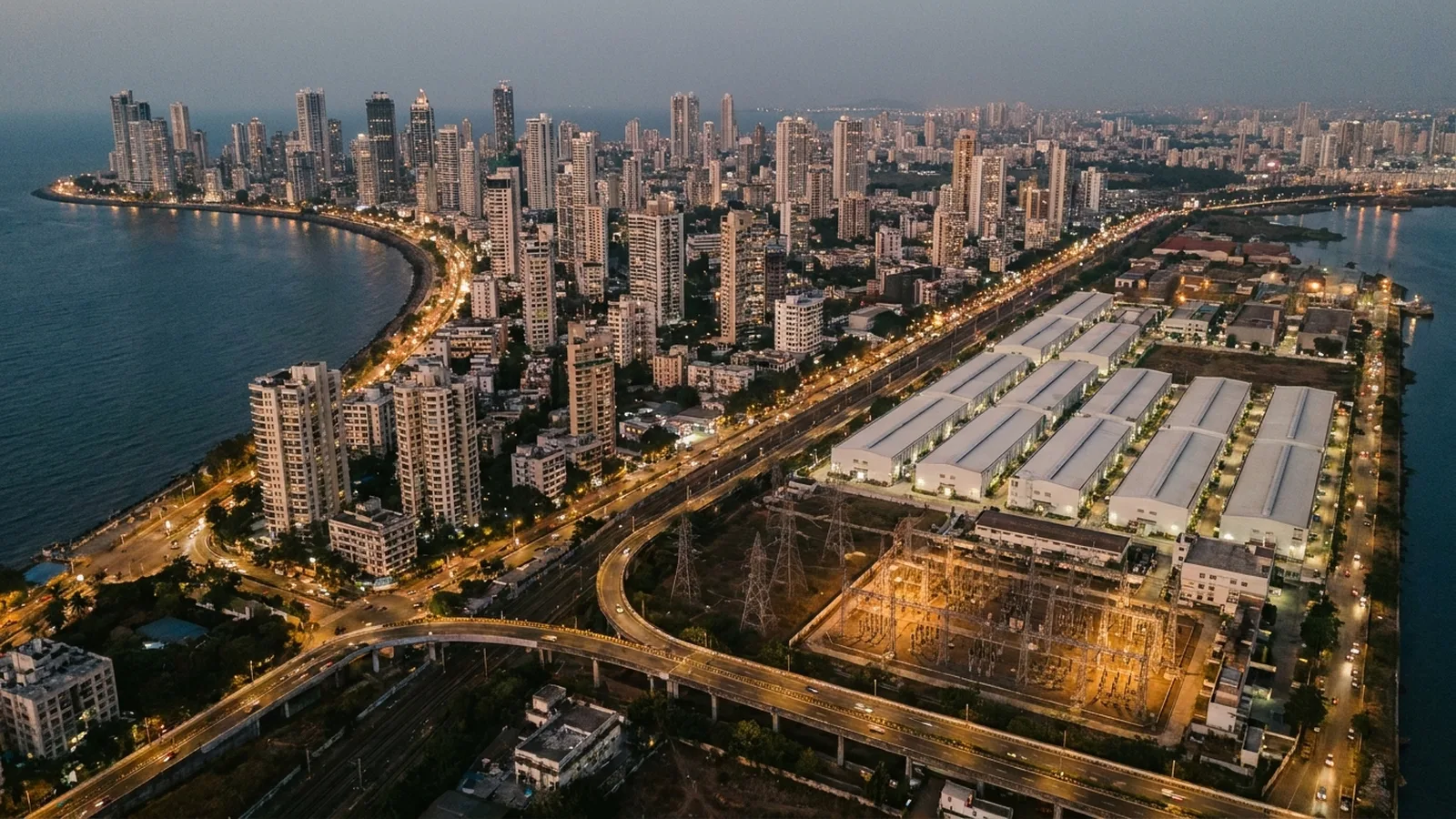
Mumbai vs Chennai vs Hyderabad for data centres: power, policy and risk (2026)
Mumbai had 890 MW of live data centre capacity in H1 2026, Chennai 214 MW and Hyderabad 151 MW. Power, policy, rents, flood and seismic risk compared.
Read the article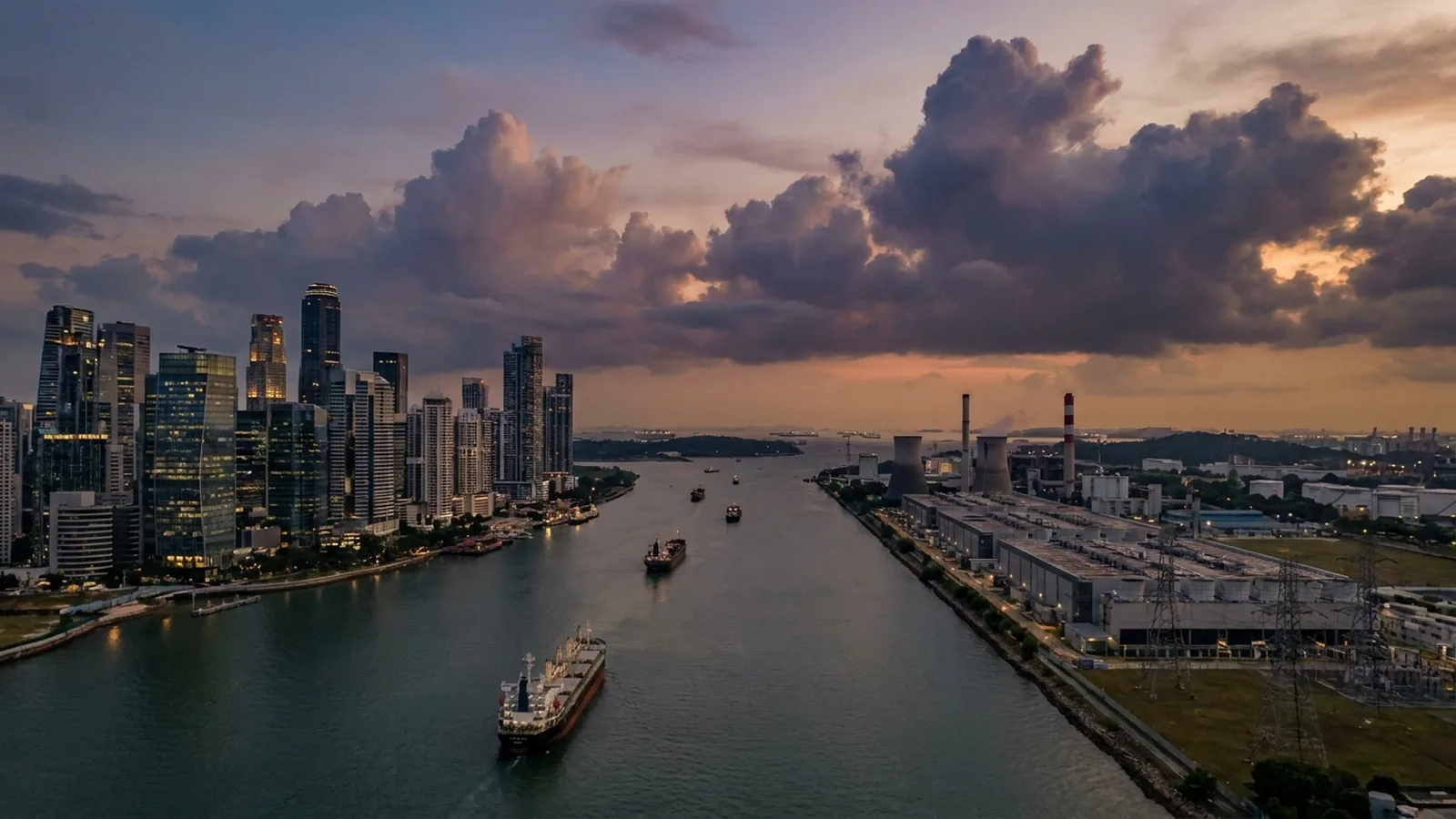
India vs Singapore vs Johor for data centres: power, policy and cost (2026)
India had about 1.8 GW of live data centre capacity in H1 2026 and Singapore about 1.4 GW (2024). How allocation, power, water, cost and tax compare with Johor.
Read the article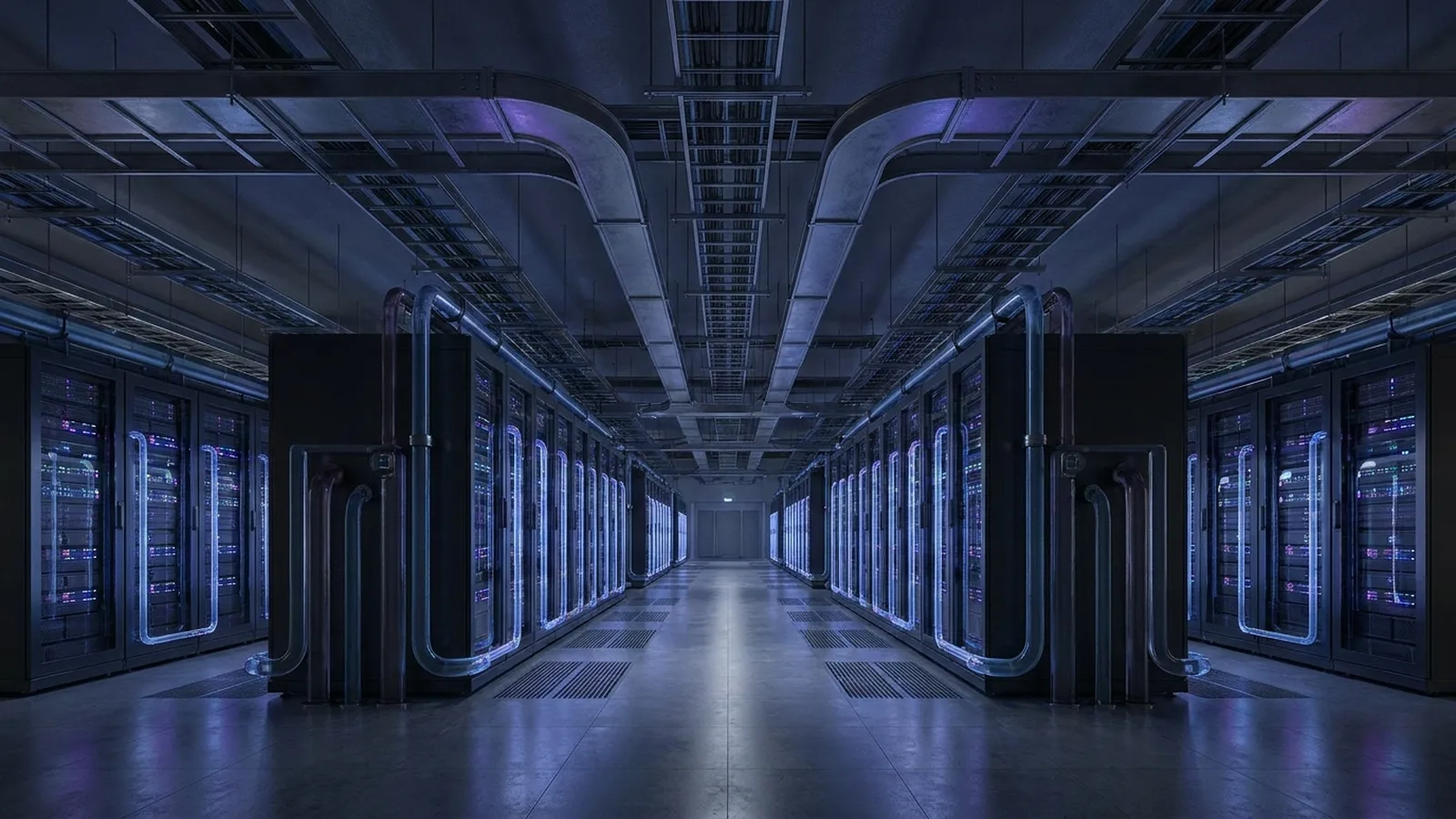
AI data centres in India: gigawatt campuses, IndiaAI GPUs and power (2026)
AI data centres in India include gigawatt-scale campuses at Visakhapatnam and Jamnagar; IndiaAI Mission compute passed 45,000 GPUs by June 2026. Projects and power.
Read the article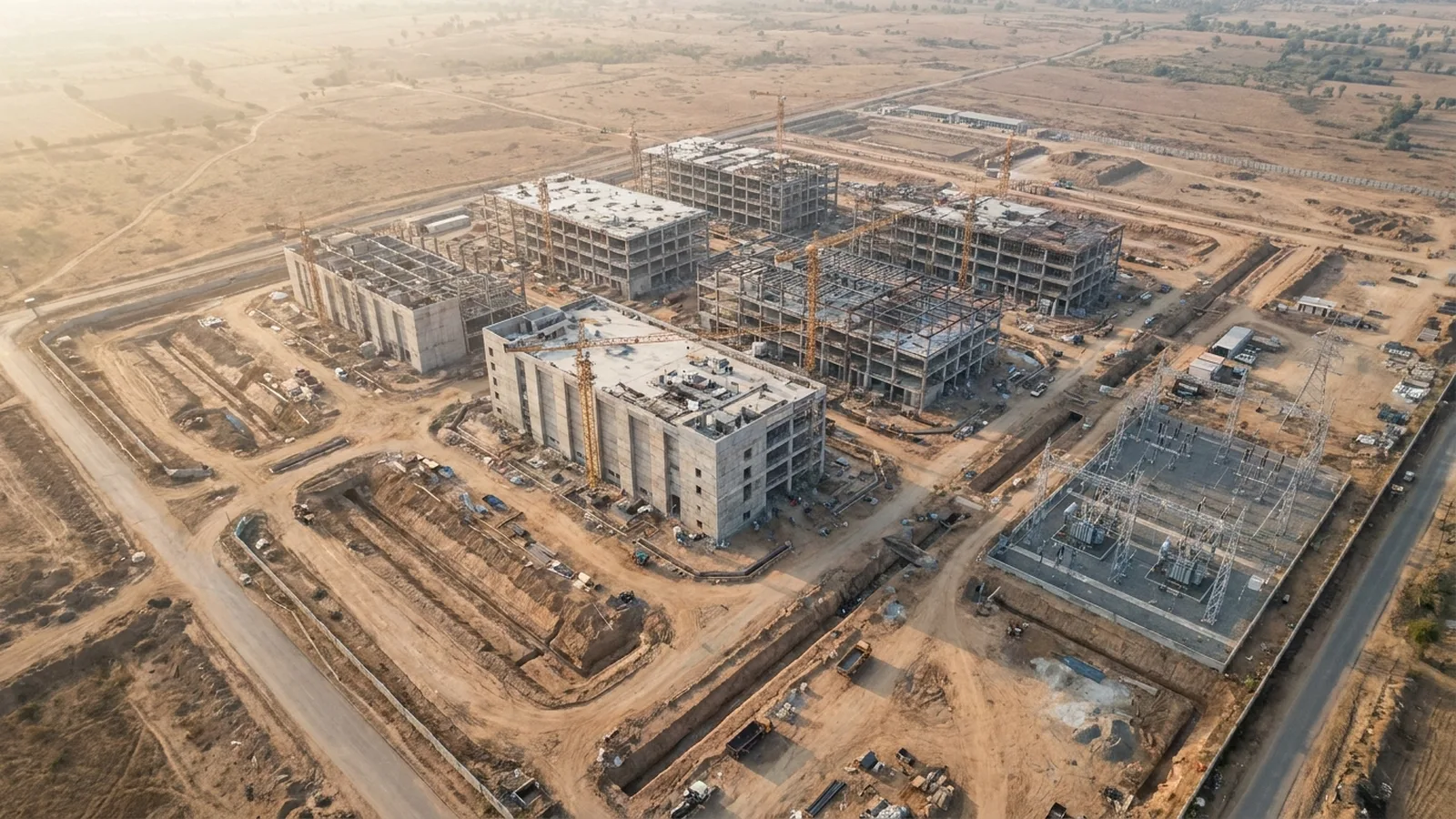
Data centre investment in India: hyperscaler commitments and deals (2026)
Data centre investment commitments in India reached US$184 billion in January to September 2026, according to Invest India and Cushman & Wakefield. By company.
Read the articleThe compliance map
Follow the whole project.
Data centre development and operation in India, checked against primary sources on 21 November 2026. Thresholds and authorities vary by state, by site and by equipment; confirm each one for the parcel before relying on it. Most of the approvals below are issued by state bodies.
Land, allotment and building terms
Is the parcel allotted or converted for data centre use, and on what floor area and coverage terms?
Evidence to assembleAllotment letter from the state industrial development corporation or clear title with non-agricultural conversion, the state policy definition the project falls under, FAR, ground coverage and stamp duty terms. Uttar Pradesh’s 2026 policy, for example, gives FAR 3.0 free plus 1.0 chargeable and ground coverage of up to 60% or the bye-law figure, whichever is higher.
Authority and scopeState industrial development authorities and corporations (for example YEIDA in Uttar Pradesh), the revenue department and the local development authority.
Power connection and open access
Which document backs the MW, at what voltage, and by what date?
Evidence to assembleLoad sanction from the discom, connection voltage under the state supply code, bay and line at the transmission substation, dual-grid arrangement, open access or captive approvals and the tariff category the site will be billed under. Maharashtra’s Supply Code, for example, puts loads above 10 MVA (20 MVA in metropolitan areas or on an express feeder) on extra high voltage, and makes the consumer pay the additional cost of a multiple-source supply.
Authority and scopeThe distribution company, the state transmission utility and the state electricity regulatory commission; the central transmission utility where the load connects to the inter-state network.
Environmental clearance
Does the built-up area trigger prior environmental clearance?
Evidence to assembleBuilt-up area calculation, project category and the application on PARIVESH. In a Rajya Sabha reply of 6 August 2026, reported by Business Standard, the environment ministry said AI data centres do not, per se, need clearance; they need it as building and construction projects above 20,000 sq m of built-up area under item 8(a), or as township and area development projects under 8(b).
Authority and scopeState Environment Impact Assessment Authority (SEIAA), through the PARIVESH portal.
Consent to Establish and Consent to Operate
Which pollution category does the site fall in, and when are CTE and CTO due?
Evidence to assembleGenset inventory by capacity and fuel, built-up area, effluent and emissions details. Under CPCB’s January 2025 classification, projects such as data centres whose pollution potential comes from gensets only may be classified by genset capacity and fuel: 1 MVA or more on liquid fuel is Orange, on gaseous fuel Green; building construction of 20,000 sq m or more of built-up area is Orange.
Authority and scopeState pollution control board, under the Water Act 1974 and the Air Act 1981. State boards must adopt the CPCB classification and may categorise new or left-out sectors themselves.
Diesel generators and fuel storage
Do the gensets and the diesel tanks meet emission norms and storage licence thresholds?
Evidence to assembleGenset ratings and type approvals (the revised emission standards of November 2022, G.S.R. 804(E), cover sets up to 800 kW; larger engines fall under the 2002 standards, G.S.R. 489(E), regulated by the state board), stack details, tank volumes and layout. Under the Petroleum Rules 2002, Class B petroleum above 2,500 litres needs a licence: the district authority licenses 2,500 to 25,000 litres, and larger quantities need a PESO licence.
Authority and scopeCPCB and the state board for gensets; the district authority and PESO under the Petroleum Rules 2002 for fuel.
Water and groundwater
Where does the cooling water come from, and does drawing groundwater need a NOC?
Evidence to assemblePeak and annual water balance, supplier commitment or treated wastewater source, assessment unit status (safe, semi-critical, critical, over-exploited) and the NOC application. CGWA’s 2020 guidelines bar new industry, other than MSMEs, from groundwater in over-exploited units; whether a data centre counts as industry or infrastructure is a site question to settle with the authority.
Authority and scopeCentral Ground Water Authority, or the state groundwater authority where the state regulates.
Building plan and fire NOC
Which code governs the building and fire protection, and who signs off occupancy?
Evidence to assembleBuilding plans, fire and life safety design and the fire NOC. The National Building Code 2016 Part 4 classes electronic data processing centres as occupancy E-3 and requires automatic fire detection and alarm, with clean agent, mist or hypoxic air protection allowed.
Authority and scopeLocal development authority or municipal body, and the state fire service.
Airport height clearance
Is the site inside an airport’s height control zone?
Evidence to assembleSite coordinates, top elevation of buildings, stacks and cranes, and the AAI NOC or the colour-coded zoning map figure. A height NOC is needed within 20 km of visual-approach and 56 km of instrument-approach airports; it is valid for eight years.
Authority and scopeAirports Authority of India, through NOCAS, under the 2015 aerodrome safeguarding notification (G.S.R. 751(E)).
Electrical safety and energisation
Has the electrical installation been inspected before it is energised?
Evidence to assembleSingle-line diagram, substation and genset installation details, test reports and the Electrical Inspector’s approval or self-certification. Each state notifies the voltage up to which owners may self-certify; installations above it are inspected by the Electrical Inspector.
Authority and scopeState Electrical Inspectorate, under the CEA (Measures relating to Safety and Electric Supply) Regulations 2023.
State policy registration and incentives
Does the project qualify for the state data centre policy, and has it registered in time?
Evidence to assemblePolicy definition met (for example a park of 40 MW or more under Uttar Pradesh 2026), eligible investment, renewable share where required, registration through the state single window and the incentive claim schedule. Uttar Pradesh’s 2026 policy, for example, repealed its 2021 policy, so confirm which version applies.
Authority and scopeState IT or industries department and its nodal agency; Ministry of Finance for infrastructure status (5 MW of IT load or more).
Data, security and customer obligations
What does the facility owe CERT-In and its regulated customers?
Evidence to assembleCERT-In directions of April 2022: incident reports within 6 hours, 180 days of logs kept in India and five years of subscriber records for data centres. Customer-side rules (RBI payment data, SEBI cloud framework, DPDP Rules 2025) set where their data must sit.
Authority and scopeCERT-In under the IT Act 2000; sector regulators for customer data; MeitY for the DPDP Rules.
Keep the record useful
A requirement needs
an owner and evidence.
For each obligation, record the authority, the design assumption, the responsible person, the evidence and the next decision. Review that record when the site layout, equipment, operating mode or jurisdiction changes.
A dated document is useful. A dated document tied to the equipment and conditions it covers is useful when the project changes.
Talk to an expert